8 Hearing Aid Accessories: Types, Prices & Brand (2026)


Published
Last medically reviewed:
In this article, we will explore the 8 most essential categories of hearing aid accessories, including smartphones and accompanying apps, remote microphones, TV streamers, speech-to-text apps, hearing aid dryers, and charger cases, among others. We will also discuss the main travel considerations for hearing aid users and how to elevate our style while attaining functionality with stylish hearing aid jewelry. Lastly, we will introduce two of the most known brands in the hearing aid market.
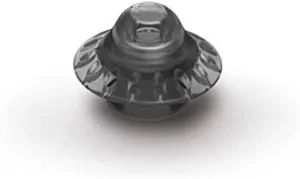
Choosing the right accessories is crucial as they play a significant role in improving the overall hearing experience. The HD151 and HD430 receivers, for example, allow seamless connection to various audio devices, significantly enhancing performance across different listening environments. Maintenance tools, such as the Large model cleaning brush and HD211 wax guards, are essential for daily upkeep to ensure proper functioning.
Smartphones And Accompanying Apps
Smartphones, equipped with hearing aid apps like “Hearing Plus,” not only facilitate adjustments but also provide real-time data on hearing aid usage. Statistics indicate that over 70% of hearing aid users utilize smartphone apps to customize their hearing experience, underscoring the growing importance of these technological integrations.
Price: Free (manufacturer apps); $0–$50 (third-party)
| Pros | Cons |
|---|---|
| Versatile functionalities, e.g., real-time data | Can be costly |
| Customizable settings | Dependence on phone battery life |

Remote Microphones
Wireless remote microphones, such as The Ear Gear Cochlear M1 model, transmit sound directly to hearing aids, reducing background noise. The Ear Gear Baha is specifically designed to transmit the speaker’s voice with clarity in noisy environments.
Price: $150–$1,000 depending on brand and technology
| Pros | Cons |
|---|---|
| Excellent speech clarity | Additional device to manage |
| Hands-free operation | Potential for connectivity issues |
Phonak Roger Microphones
The Phonak Roger system is the most advanced remote microphone technology in hearing aids. Roger microphones use a dedicated 2.4 GHz wireless protocol to transmit speech directly to compatible Phonak hearing aids via RogerDirect™ receivers built into the hearing aid. The Roger On™ ($500–$700 approximate) detects the primary speaker automatically and can be used as a table mic, lapel mic, or handheld device. The Roger Select™ ($800–$1,000 approximate) uses MultiBeam technology with 6 directional microphones for group conversations. → Full Roger system details on our Phonak page
Oticon ConnectClip
The Oticon ConnectClip is Oticon’s primary connectivity accessory. It pairs with up to 8 Bluetooth devices and supports streaming for up to 16 hours (4 hours streaming + 12 hours standby) per charge. Range: up to 2 meters for wireless headset mode; up to 20 meters in remote microphone mode. It is compatible with most Oticon hearing aids using 2.4 GHz connectivity. Approximate price: $250–$350. → Full ConnectClip details on our Oticon page
Tv Streamers
TV streamers wirelessly send audio directly to hearing aids, enhancing clarity. Bluetooth-based options, such as a TV streamer compatible with certain hearing aids, improve the TV-watching experience.
Price: $80–$200 (brand-specific); $30–$80 (universal)
| Pros | Cons |
|---|---|
| Improved listening experience | Additional cost |
| Can be used with multiple devices | Requires compatible technology |
Speech-to-text Apps
Speech-to-text apps convert spoken words into text, aiding those with hearing loss in understanding conversations. Portable and easy-to-use, these apps find practical application in noisy settings, like a restaurant.
Price: Free–$20/month
| Pros | Cons |
|---|---|
| Real-time transcription | May have inaccuracies |
| Portable and easy to use | Depends on internet connectivity |
Hearing Aid Cleaning Kits and Dryers
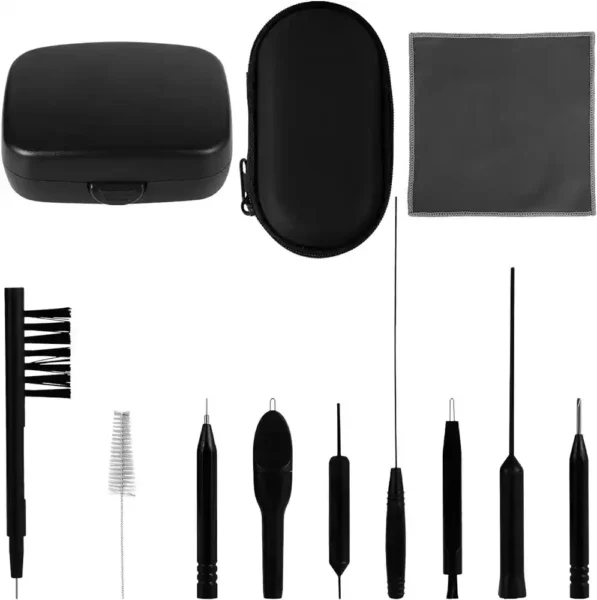
Hearing aid cleaning kits, comprising tools like brushes and wax pickers, are essential for maintaining optimal performance. Hearing aid dryers, designed to remove moisture, extend the lifespan of hearing aids. Options include those using gentle heat or UV light.Regular use reduces the need for repairs, extend the lifespan of hearing aids.
Price: $20–$80 (manual kit); $50–$150 (UV dryer)
| Pros | Cons |
|---|---|
| Maintains performance | Small pieces easily lost |
| Reduces repairs | Requires routine use |
Bluetooth Streamers:
Devices enabling wireless connectivity between hearing aids and various Bluetooth-enabled devices, such as smartphones, tablets, and computers.
Price: $100–$300
Wax Guards:
Small filters designed to prevent earwax and debris from entering the hearing aid’s speaker, ensuring optimal sound quality.
Price: $5–$20 per pack (multi-pack)
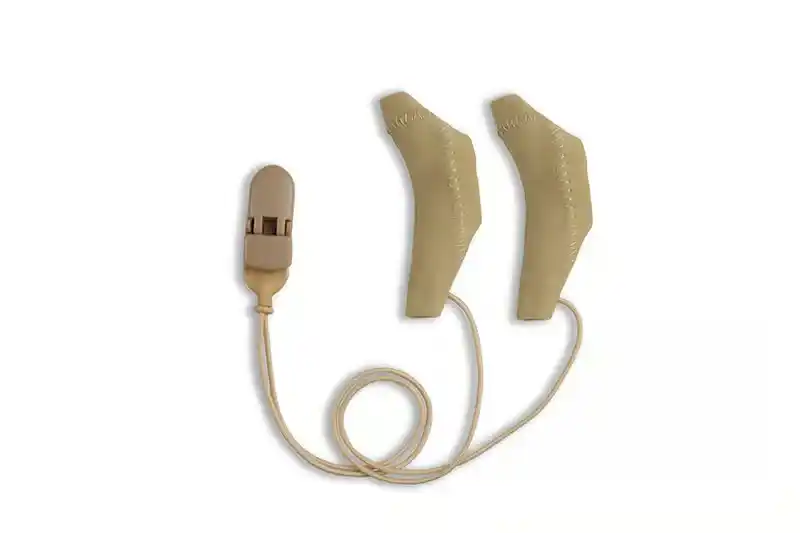
Hearing Aid Clips And Retainers:
Devices to secure hearing aids in place, preventing loss or damage during physical activities.
Price: $10–$30
Hearing Aid Accessory Compatibility: What Works with What
Most hearing aid accessories are brand-specific. Phonak Roger microphones work with Phonak hearing aids (and other brands via the Roger X universal receiver). Oticon ConnectClip works with Oticon 2.4 GHz hearing aids. Beltone HearMax app works with Beltone aids. Universal accessories (wax guards from Phonak, cleaning tools from any manufacturer) typically work across brands. When purchasing accessories, always verify compatibility with your specific hearing aid model before buying.
What Are The Main Travel Considerations
Individuals should consider carrying spare batteries, chargers, and essential cleaning tools when traveling. A travel-ready kit with items like a drying box or portable charger, supported by a survey indicating that 90% of travelers find such kits crucial, can reduce the likelihood of hearing aid failures on the go.
According to a study published in the Journal of the American Academy of Audiology, individuals with hearing loss may face difficulties in various travel situations, such as navigating airports, communicating with transportation personnel, and enjoying tourist attractions in noisy environments (Kochkin, 2010).
To enhance the travel experience for those with hearing loss, hearing aid accessories like directional microphones and telecoils can be beneficial. The American Speech-Language-Hearing Association (ASHA) highlights the importance of these accessories in improving speech understanding and reducing background noise, especially in crowded or acoustically challenging environments (ASHA, n.d.).
Elevating Style And Functionality With Stylish Hearing Aid Jewelry
Connecting these accessories to hearing aid jewelry can be achieved effortlessly, allowing individuals to embrace both functionality and fashion seamlessly.
1. Remote Microphones and Chic Pendants:
Attach the remote microphone discreetly to a stylish pendant, creating a fashionable accessory that serves a dual purpose. This not only improves the reach and effectiveness of the microphone but also transforms it into an elegant piece of jewelry, elevating the overall aesthetic.
2. Bluetooth Streamers as Statement Earrings:
For those using Bluetooth streamers, consider incorporating them into statement earrings. By attaching the streamer discreetly to the earrings.
3. Hearing Aid Clips and Bracelets:
Utilize hearing aid clips that double as fashionable bracelets. This allows users to secure their hearing aids in a trendy manner, preventing them from getting tangled or misplaced. The clips can seamlessly integrate into the design, providing both security and a touch of style.
This approach aligns with the growing trend of personalized and fashionable hearing aid accessories, as highlighted by studies from the Hearing Loss Association of America (HLAA) and the British Society of Audiology (BSA). These organizations emphasize the importance of making assistive devices a seamless part of one’s lifestyle, promoting acceptance and inclusivity.
In conclusion, by creatively connecting hearing aid accessories to stylish jewelry, individuals can embrace both the functional and fashionable aspects of hearing aid use, fostering a positive and empowering experience.
What Are The Most Known Brands
When it comes to hearing aid accessories, several reputable brands have established themselves as industry leaders, providing a range of innovative products to enhance the functionality and convenience of hearing aids.
1. Phonak:
Phonak is a leading company in the hearing-aid accessories market. They manufacture various products that increase the usability of their hearing aids.
One of their most popular accessories is the Phonak ComPilot. This device serves as a remote control for Phonak hearing aids. It offers Bluetooth connectivity, making it easy to stream audio content from various devices.
2. Oticon:
Oticon is a Danish hearing aid company that has been at the forefront of the industry for over 100 years. Their commitment to innovation and quality has led to various groundbreaking products.
One of their most recent products is the Oticon Intent/Real hearing aid, which utilizes an innovative technology called Deep Neural Network to increase sound processing power. This allows it to capture more sound details and helps people with hearing loss to hear more clearly and naturally.
The right accessories depend on the hearing aid you choose — start with our complete hearing aid buying guide if you haven’t picked one yet.