
Bone Anchored Hearing Aids (BAHA): A Comprehensive Guide
On
Written By
A Bone Anchored Hearing Aid (BAHA) bypasses the ear canal to transmit sound directly to the inner ear via bone conduction. It is highly effective for single-sided deafness, conductive hearing loss, and chronic ear infections. The fitting involves a surgical implant (for adults) or a softband (for children), and costs typically range from $5,000 to $10,000.
What is a BAHA and How Does it Work?
A Bone Anchored Hearing Aid (BAHA) is a specialized device that delivers sound directly to the inner ear (cochlea) through bone conduction, bypassing the ear canal and middle ear.
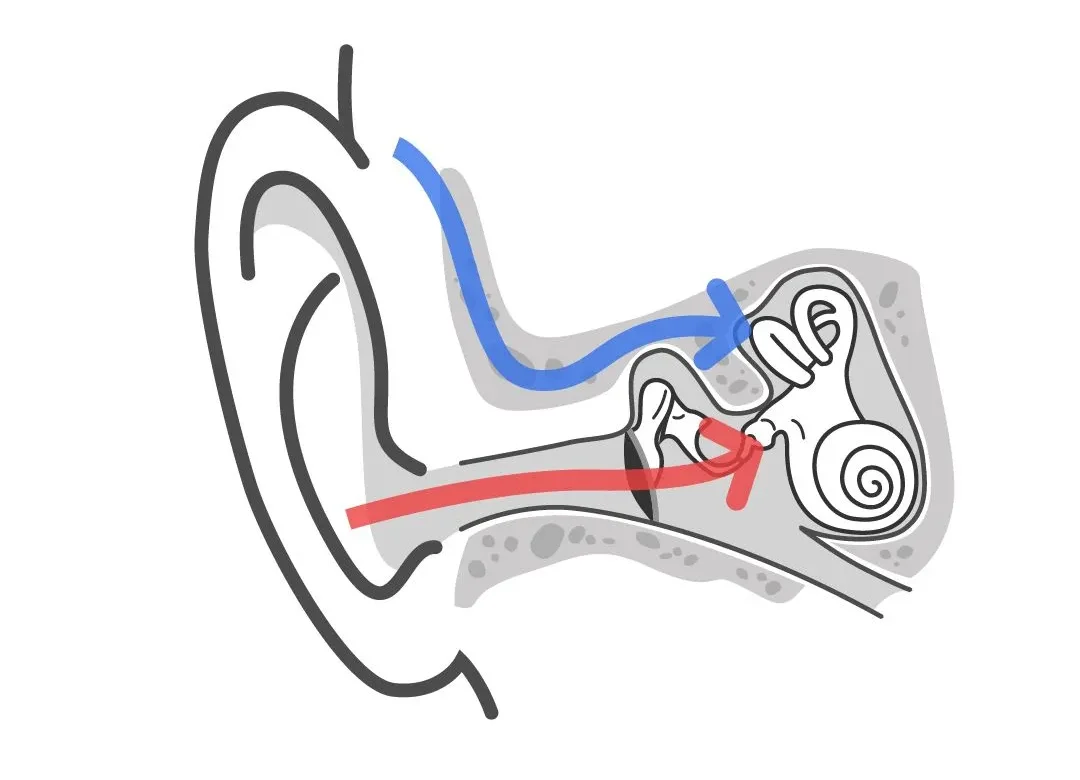
How It Differs from Traditional Hearing Aids
- Conduction Method: Traditional aids amplify sound through the ear canal. BAHA uses bone conduction.
- Customization: It requires a surgical implant, allowing precise sound transmission.
- Single-Sided Deafness: It seamlessly transmits sound from a deaf ear to the functioning ear.
Components of a BAHA
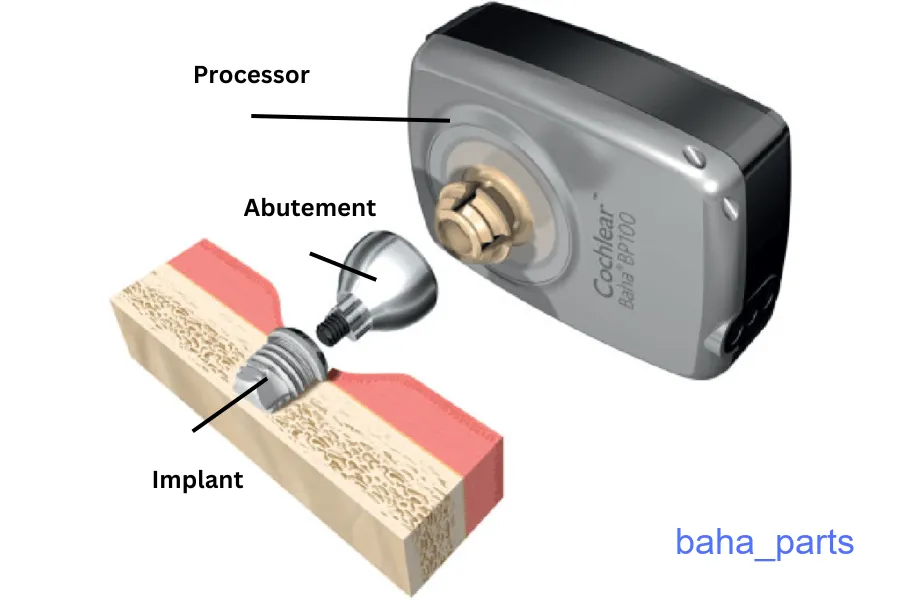
- Titanium Implant: Surgically anchored into the skull bone behind the ear.
- External Processor: Worn behind the ear, it captures sound and transmits vibrations.
- Abutment: The connector linking the external processor to the titanium implant.
Who Can Benefit from a BAHA?
BAHA devices are ideal for specific medical indications where traditional hearing aids fall short:
- Conductive and Mixed Hearing Loss: Bypasses obstacles in the middle ear.
- Single-Sided Deafness (SSD): Enhances spatial awareness by transferring sound to the better ear.
- Chronic Ear Infections: Reduces infection risk by keeping the ear canal open. Studies show significant reduction in recurring otitis media.
- Microtia and Atresia: A lifeline for individuals born with underdeveloped or missing ear canals.
Are BAHA Devices Safe for Children?
Yes. BAHA technology plays a vital role in the auditory development of children with ear malformations, enabling speech and language development.
For children under 6, a BAHA Softband—an elastic headband with a snap connector—holds the sound processor non-invasively until they are old enough for the surgical implant.
The Fitting and Surgery Process
- Evaluation: Thorough audiological and medical assessments determine candidacy.
- Surgery: The titanium fixture is implanted in the skull bone (an outpatient procedure).
- Calibration: After healing, the external processor is attached and programmed to the patient’s specific hearing needs.
Note: Potential complications include inflammation, hypertrophic scarring, or fixture loss, though these are rare with proper care.
Pros and Cons of BAHA
Pros:
- Improved sound localization
- Natural sound quality
- Ideal for single-sided deafness
- Minimal ear canal interference (good for chronic infections)
- Non-invasive softband option for children
Cons:
- Requires outpatient surgery
- Higher cost compared to standard aids
- Potential for surgical site infections
- Occasional sound feedback
- Water and contact sports restrictions (though waterproof accessories like the Cochlear Aqua+ exist)
Best Brands & Alternatives
The leading manufacturers for BAHA implants in America are:
- Cochlear Americas (Baha)
- Oticon Medical (Ponto)
- MED-EL (ADHEAR and BoneBridge)
Note on Alternatives: The BoneBridge by MED-EL is a transcutaneous implant with no abutment protruding through the skin, using wireless radio frequency transmission.
Cost and Insurance Coverage
The cost of BAHA devices ranges from $5,000 to $10,000+, which includes the device, surgery, and accessories.
Does Insurance Cover BAHA?
Because it involves a surgical implant and is often deemed medically necessary, insurance coverage is more likely than for traditional hearing aids.
- Providers like Blue Cross Blue Shield, UnitedHealthcare, Aetna, and Cigna often offer coverage.
- Medicare and Medicaid may cover it for eligible individuals.
(Billing Reference: CPT code 69714 for Osseointegrated implant)

Frequently Asked Questions