
Advancements in Hearing Aid Technology: Latest Features
Modern hearing aids feature AI-driven sound processing, rechargeable batteries, and Bluetooth connectivity. These advancements allow for automatic environment adaptation, seamless smartphone integration, and improved background noise reduction. Prices for advanced tech models range from $1,000 to $8,000 per device.
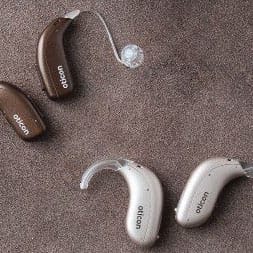
How AI is Changing Hearing Aids?
Artificial intelligence (AI) integrations are increasingly seen in digital signal processing (DSP), which encompasses automatic environment detection, own voice processing, and binaural processing techniques. AI integration involves the incorporation of advanced computational algorithms to enhance functionality and performance.
Key Benefits of AI in Hearing Aids
- Sound Processing Optimization: AI algorithms analyze incoming sound signals in real-time, tailoring sound to specific environments.
- Environmental Adaptation: Devices automatically adjust settings based on whether you are in a noisy restaurant or quiet home setting.
- Feedback Management: AI minimizes whistling or squealing sounds.
- User Feedback Learning: Some devices learn from your preferences over time.
- Real-Time Language Translation: Translates spoken language into the wearer’s preferred language.
Example Device: Widex Moment AI uses machine learning algorithms to adapt to the listening environment (Price range: $2,000 to $6,000 per device).
How Does Digital Signal Processing (DSP) Work?
DSP algorithms analyze incoming sounds in real-time and apply sophisticated techniques to tailor the audio signal. This includes noise reduction, dynamic range compression to maintain comfortable listening levels, and directional microphones to focus on speech.
Example Device: Phonak Audeo Paradise with AutoSense OS 4.0 (Price range: $1,000 to $6,000 per device).
Automatic Environment Detection
Advanced sensors monitor ambient noise levels and adjust microphone directionality and amplification seamlessly.
Example Device: Oticon Opn S (Price range: $2,000 to $6,000 per device).
Own Voice Processing (OVP)
OVP distinguishes your voice from external sounds, applying adaptive filtering so your voice sounds natural rather than awkwardly amplified.
Example Device: Phonak Marvel (Price range: $2,000 to $6,000 per device).
Binaural Processing
Binaural processing enables coordinated communication between devices worn in both ears, mimicking natural hearing and enhancing spatial awareness.
Example Device: Oticon Opn S with TwinLink (Price range: $3,000 to $8,000 per device).
Connectivity & Streaming Features
Bluetooth Compatibility & Smartphone Apps
Bluetooth allows seamless connectivity between hearing aids and audio sources for direct streaming of phone calls, music, and podcasts. Smartphone apps let you control volume, customize settings, and even receive remote support from audiologists.
Example Device: Phonak Marvel (Price range: $1,000 to $4,000 per device) and Widex EVOKE (Price range: $1,000 to $5,000).
Wireless Accessories
Accessories like remote microphones, TV streamers, and phone clips further improve speech understanding in noisy environments and transmit multimedia audio directly to your hearing aids.
Example Device: Phonak Roger Select microphone (Price range: $200 to $800).
Battery Technology in Hearing Aids
Rechargeable battery technology eliminates the need for regular battery replacements. These offer a full day of use on a single charge and are simply placed in a charging station overnight. This reduces environmental impact and offers long-term cost savings.
What Are The Core Technologies?
- FM Compatibility: Connects with FM systems used in classrooms or theaters.
- Telecoil Technology: Picks up electromagnetic signals from telephones and public address systems.
- Waterproof Design: IP ratings like IP68 indicate protection against continuous water immersion.
Frequently Asked Questions