
Understanding The Hearing Aid Fitting Experience
By
Written On
A Hearing Aid Fitting Is A Crucial Step In Addressing Hearing Loss. It Begins By Choosing The Right Type Of Hearing Aid, Tailored To Individual Preferences And Hearing Needs. For This Purpose, Custom Ear Impressions Are Used. Modern Hearing Aids Offer Programmable Features That Are Personalized During The Fitting, Including Volume Adjustments And Specialized Settings For Different Listening Environments. Also, The Emergence Of Self-fitting Hearing Aids Allows Users To Take Control Of Their Hearing Experience Through Smartphone Apps.
Managing The Financial Aspect Of Hearing Aids Is Crucial, And Individuals Can Explore Insurance Coverage, Financing Options, And Assistance Programs.
Many Patients May Require The Technology Of Assistive Listening Devices, Such As Remote Microphones And Loop Systems, To Complement Hearing Aids, Enhancing Communication In Challenging Settings.
What Happens During A Hearing Aid Fitting?
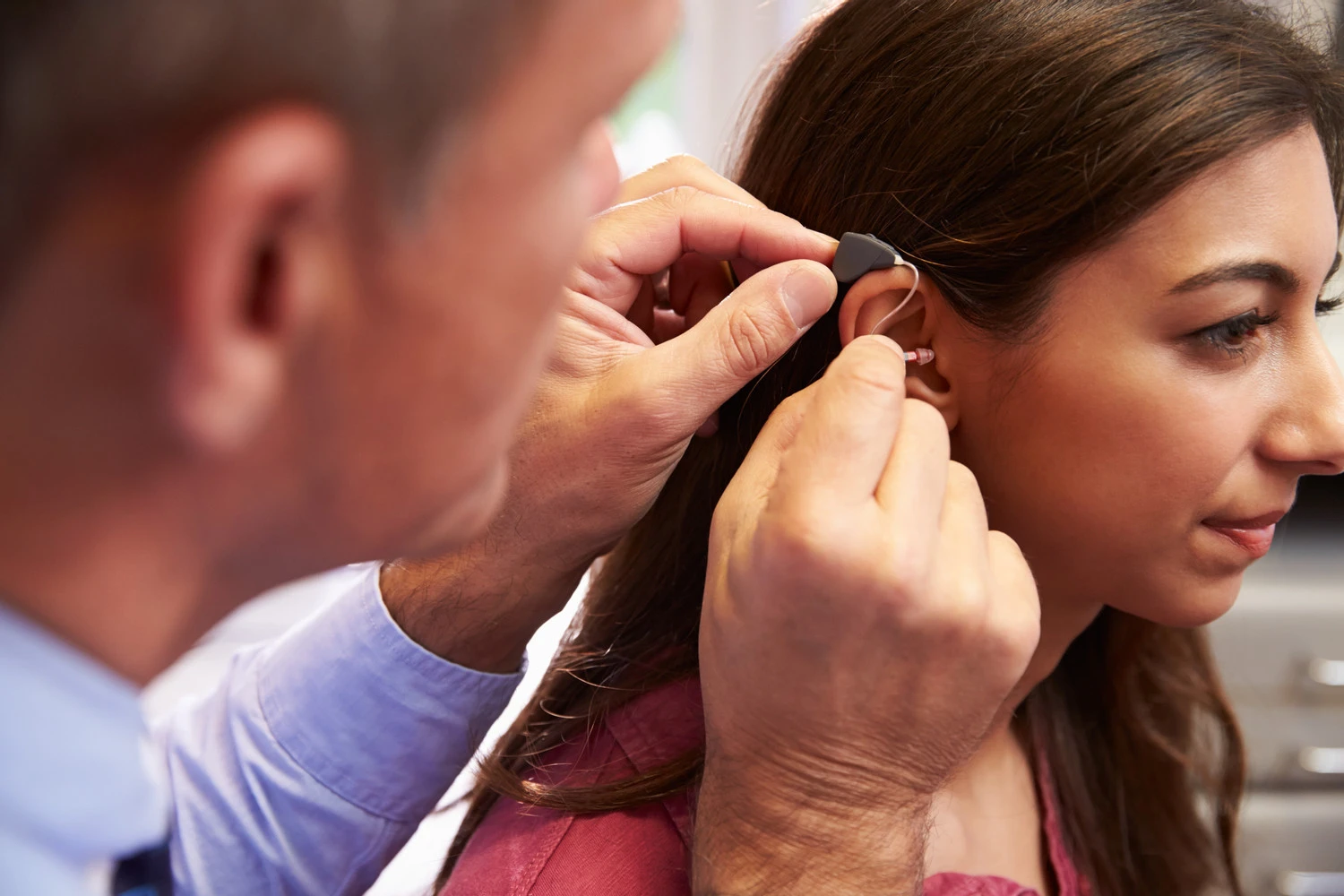
Hearing aid fitting is selecting and customizing a hearing aid device to an individual’s specific hearing needs.
The purpose of hearing aid fitting is to enhance the individual’s hearing ability and improve their quality of life. The fitting process ensures that the hearing aid is appropriately programmed to amplify the sounds that the wearer needs while also minimizing any discomfort or side effects.
The required steps in hearing aid fitting involve several appointments and assessments. Upon the initial visit to an audiologist, a comprehensive evaluation is conducted to determine the nature and extent of the individual’s hearing loss. This assessment includes a detailed case history discussion with the patient, where the audiologist may ask questions about the patient’s hearing difficulties, medical history, exposure to noise, and lifestyle factors.
A hearing test evaluates one’s auditory system through a series of exams.
- Pure-tone audiometry,
- speech audiometry,
- tympanometry or
- otoacoustic emissions (OAE).
These tests provide detailed information about the individual’s hearing thresholds, speech understanding abilities, and the types of hearing loss. Which can be either sensorineural or conductive. Note that conductive type loss alters the air conduction of sound signals.
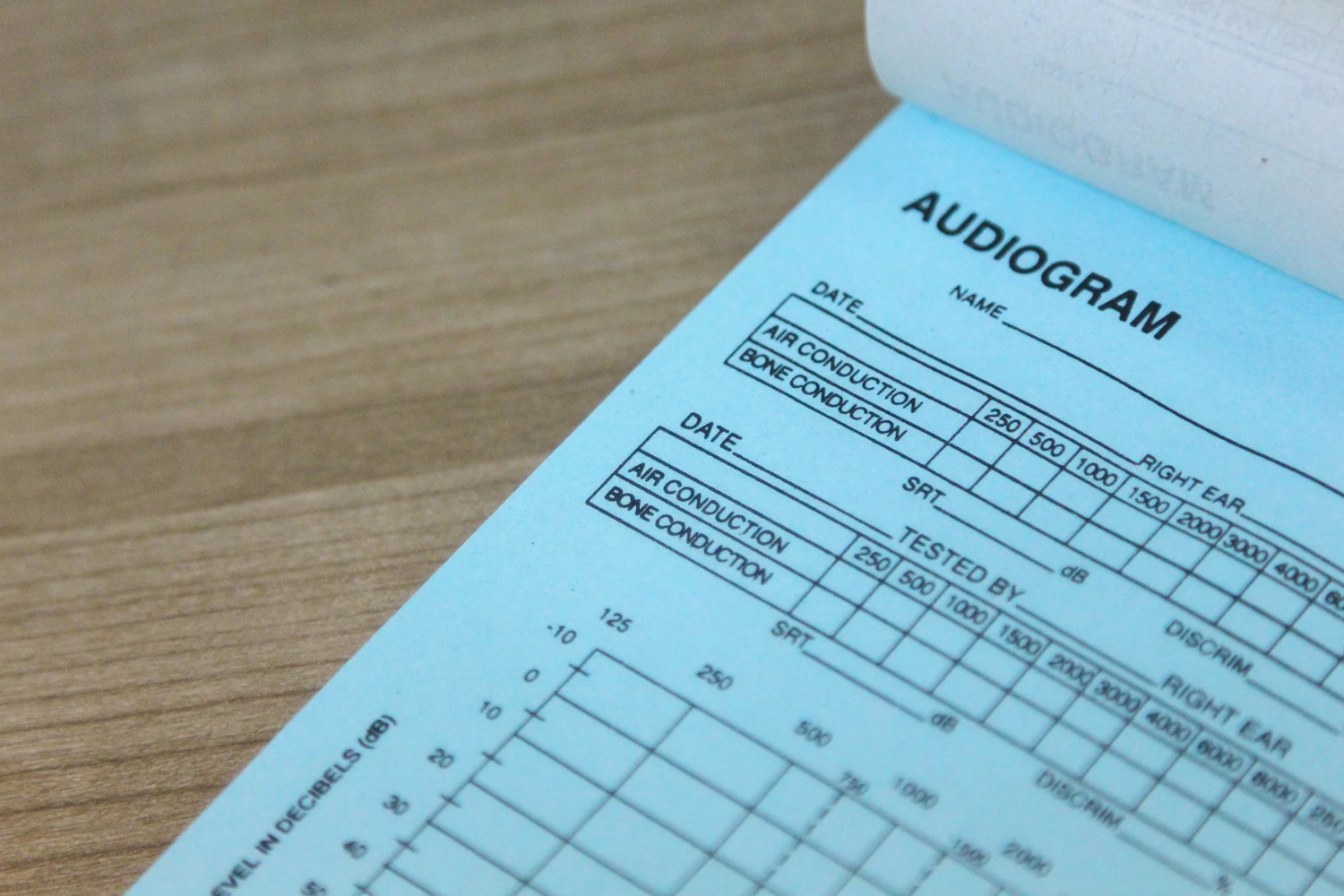
Based on the tests results, an audiogram is generated. The audiogram is a graphical representation of an individual’s hearing thresholds across different frequencies.
The duration of the entire hearing aid fitting process may vary depending on factors like the complexity of the hearing loss, the patient’s availability, and the type of hearing aid chosen. It lasts from one to two hours.
What Is An Air Conduction?
Air conduction refers to the process by which sound travels through the outer ear, middle ear, and inner ear, ultimately reaching the auditory nerve.
Hearing aids work by amplifying sound and delivering it to the individual’s ear. The devices receive sound through a microphone, which captures environmental sounds and speech. This sound signal is processed and amplified by electronic components according to the individual’s specific hearing needs and delivered to the ear canal through a speaker (receiver).
Which Hearing Aid Type To Choose
When it comes to hearing aid fitting, there are several types of hearing aids available. These include behind-the-ear (BTE), in-the-ear (ITE), in-the-canal (ITC), completely-in-the-canal (CIC), and invisible-in-the-canal (IIC) styles. The choice of hearing aid type depends on factors such as the individual’s hearing requires, lifestyle, cosmetic preferences, and the severity of their hearing loss.
The severity of hearing loss is a crucial factor in determining the appropriate amplification for an individual. It is essential to match the severity of hearing loss with the appropriate amplification to ensure optimal hearing aid performance and benefit.
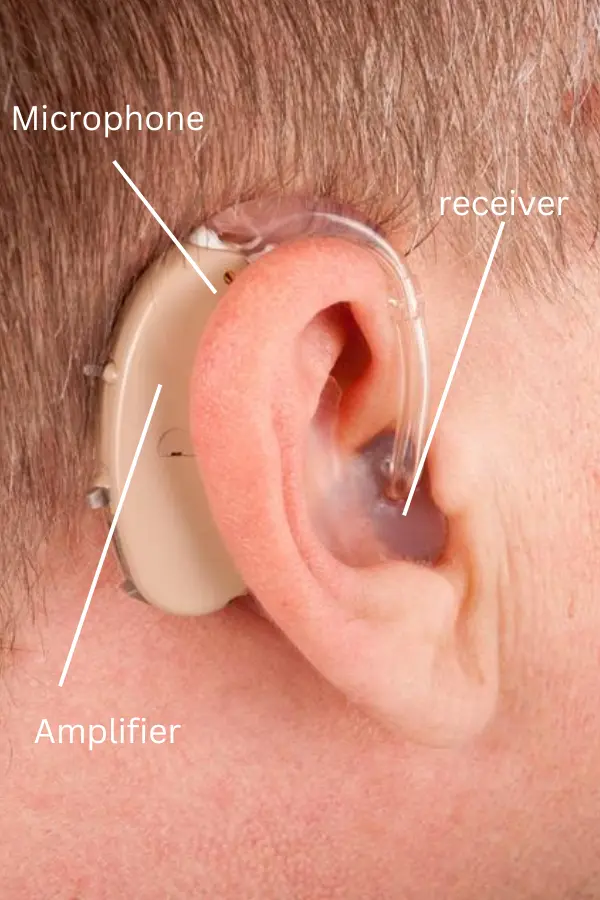
The three main components of a hearing aid are:
1. Microphone: The microphone in a hearing aid is responsible for picking up sound from the environment. It captures the sounds and converts them into electrical signals that can be amplified and processed by the hearing aid.
2. Amplifier: It adjusts the volume and amplification levels.
3. Receiver: The receiver, also known as the speaker, delivers the amplified sound to the ear. It converts the electrical signals into audible sounds that the wearer can hear. The receiver is placed in the ear canal in most hearing aid styles, ensuring that the amplified sound reaches the individual’s eardrum effectively.
What Are The Customization Possibilities?
- Customization based on preference style is crucial because different individuals have varying aesthetic preferences. Some people may prefer discreet hearing aids that are barely noticeable, while others may be more comfortable with larger, more visible devices. By considering the person’s style preferences, audiologists can select hearing aids that match their desired appearance, whether it’s a behind-the-ear (BTE) style, in-the-ear (ITE) style, or completely-in-the-canal (CIC) style, among others.
- Similarly, customization based on lifestyle is essential for the best hearing aid fitting. Different lifestyles demand specific features and functionalities from hearing aids. Individuals engaged in outdoor activities or sports. They must consider features like resistance to moisture, sweat, and dust. These devices may feature additional durability and have advanced noise reduction capabilities to enhance listening experiences in noisy environments.
- For social events or gatherings, hearing aids with advanced speech enhancement and noise reduction features can be beneficial. These features help individuals focus on conversations and reduce background noise, enabling better social interactions.
Note that There are different receiver sizes available, ranging from small to large, each suitable for specific hearing loss levels. Smaller receivers are generally suitable for individuals with mild to moderate hearing loss, while larger receivers are more applicable for those with moderate to severe hearing loss.
Moreover, the compatibility of hearing aids with phones is a crucial factor to consider. The Google ASHA (Audio Streaming for Hearing Aids) protocol is an important development. ASHA is an open-source protocol developed by Google in collaboration with hearing aid manufacturers. It enables direct audio streaming from Android devices to hearing aids.
In addition, wearing a custom-molded device enhances the quality of experience for the patient
What Are Ear Impressions?
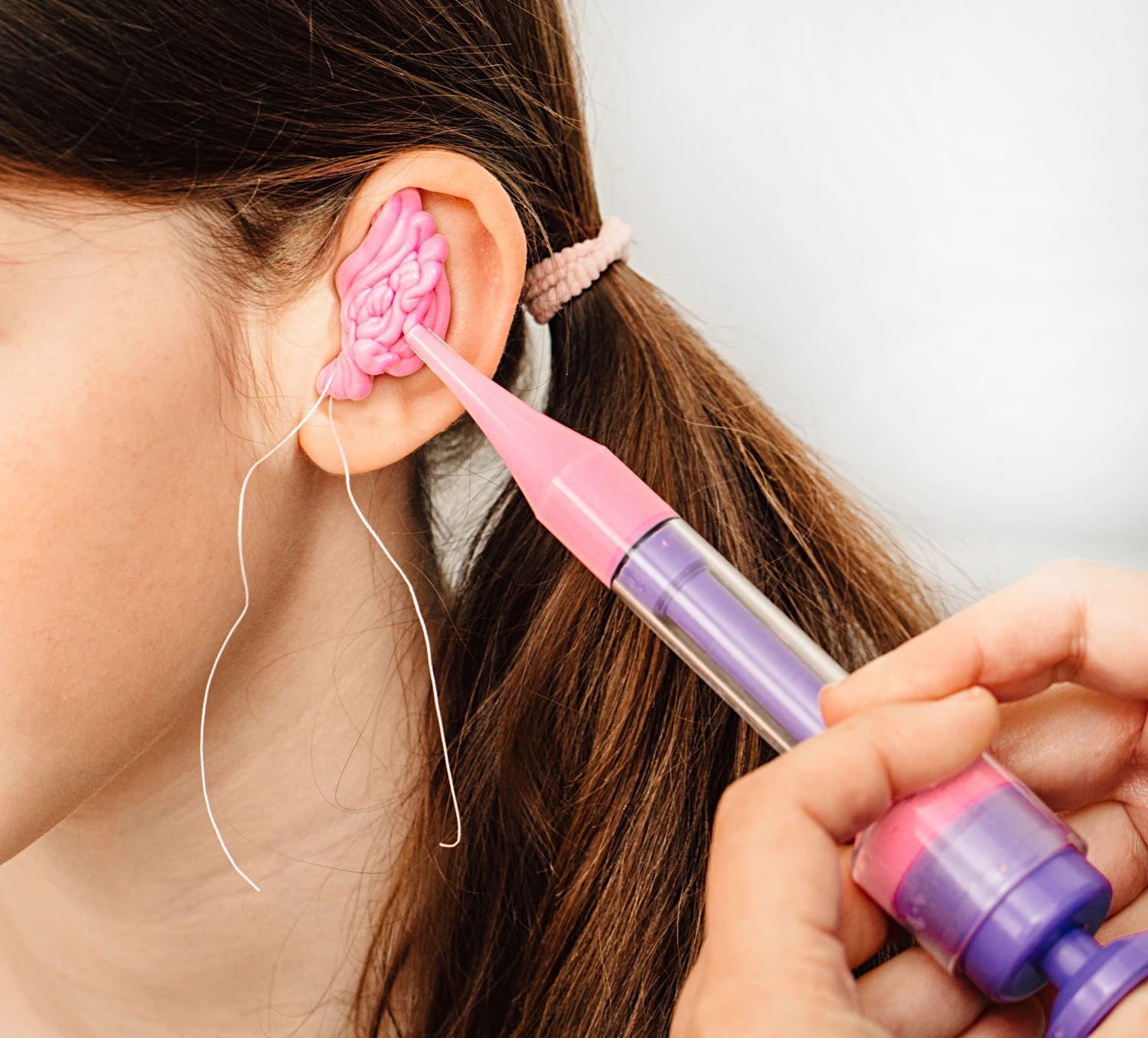
Ear impressions are physical impressions of a person’s ear canal and outer ear, which ensure a proper and customized fit of hearing aids. These impressions capture the unique shape and contours of the individual’s ears, allowing for the creation of custom-molded devices that provide optimal comfort and performance.
To make an ear impression, a specially trained professional, such as an audiologist or hearing instrument specialist, will use a soft and pliable material called impression silicone. This material is inserted into the ear canal using a syringe or a foam block, ensuring it reaches the deepest part of the canal. The silicone takes a few minutes to harden and capture the impression of the ear canal.
The purpose of ear impressions is to create the necessary mold for hearing aids or other in-ear devices. This precision fit helps to ensure optimal sound delivery, improved comfort, and enhanced noise isolation.
Why Dome Selection Is Important
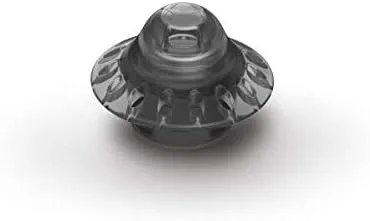
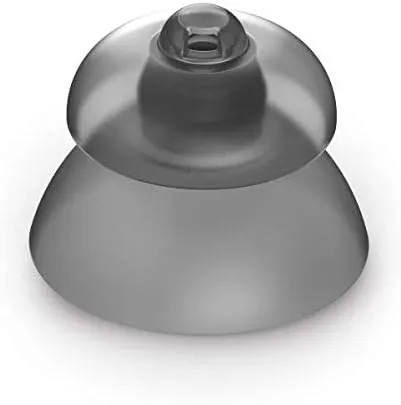
Selecting the right dome or mold vent size is crucial because an improper fit can lead to various issues. If the dome or mold vent is too small, it can cause the hearing aid to feel uncomfortable or even painful, restricting airflow and potentially occluding the ear canal.
On the other hand, if the dome or mold vent is too large, it may not provide a proper seal, leading to sound leakage and decreased hearing aid performance.
To ensure the best fit, an audiologist considers factors such as the shape and size of the individual’s ear canal, the degree of hearing loss, and personal preferences. By selecting the appropriate dome or mold vent size, the audiologist can optimize sound quality, comfort, and the overall effectiveness of the hearing aid for the wearer.
What Are The Programmatic Features?
Audiologists fine-tune various parameters of the hearing aids using hearing aid fitting software.
This software adjusts features such as amplification levels, noise reduction, directional microphones, feedback cancellation, and more.
1. Adjusting noise reduction:
Audiologists use the hearing aid fitting software to control the level of noise suppression or reduction applied by the hearing aids. This adjustment is based on the wearer’s feedback, their ability to handle background noise, and their specific listening requirements.
2. Adjusting directional microphones:
Directional microphones focus on sounds coming from a specific direction, usually from the front. This helps to enhance speech understanding in noisy situations by reducing background noise coming from other directions.
3. Making synchronization:
Synchronization refers to the coordination between two hearing aids when fitting a pair of bilateral devices. It allows a balanced amplification and uniform listening experience.
How To Check The Fine-tuning Process {#how-to-check-the-fine-tuning-process}
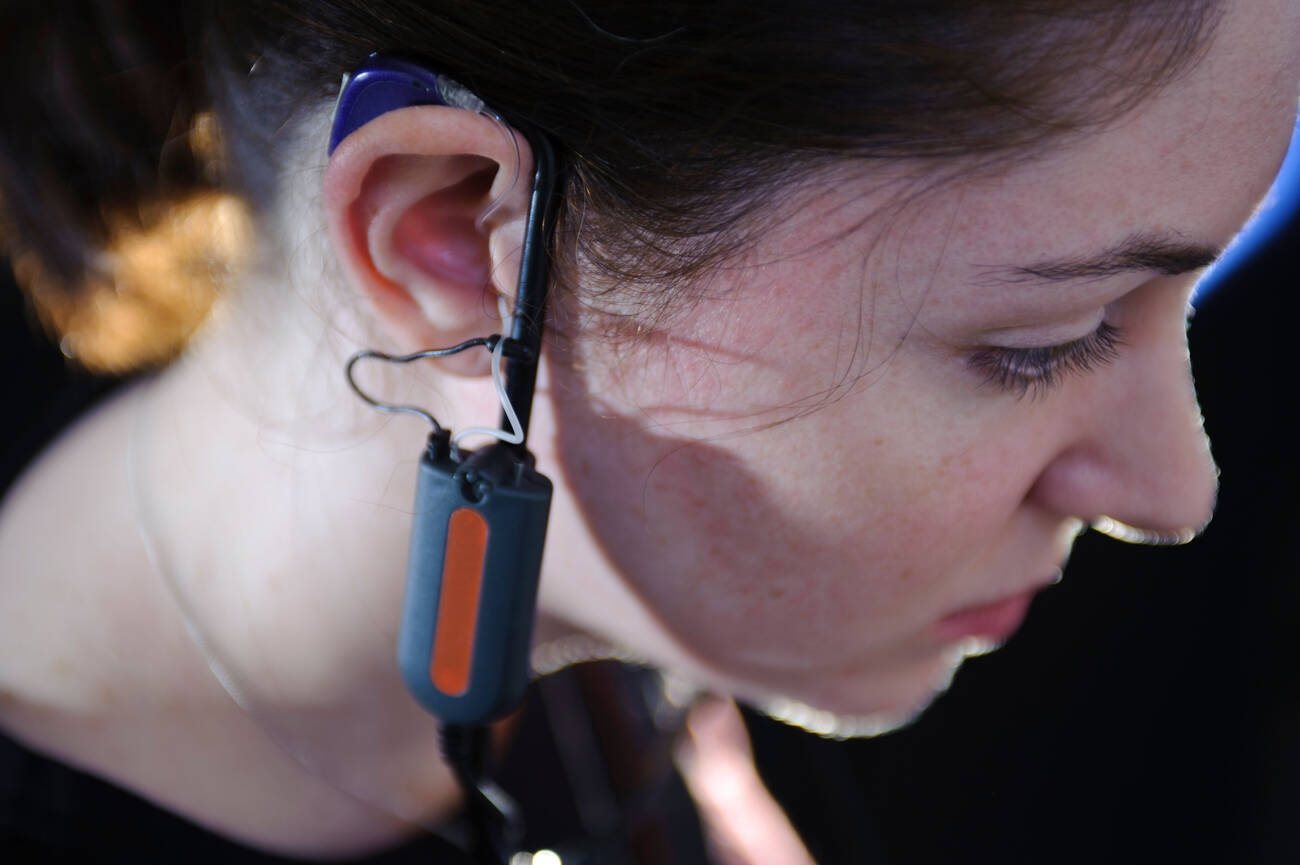
The audiologist relies on Real Ear Measurement (REM) To check the results of the fine-tuning. During the REM, a tiny microphone is placed in the ear canal to measure the sound that reaches the eardrum. The purpose is to verify and validate the accuracy of the sound amplification provided by the hearing aid in the individual’s specific ear.
If the amplification is not adequate, adjustments are made to ensure that the hearing aid is accurately amplifying sounds to match the individual’s hearing loss.
These adjustments might include increasing or decreasing the gain, adjusting the compression settings, or modifying the frequency response to meet the individual’s specific hearing needs.
Additionally, subjective measures such as speech testing and patient feedback are crucial in determining the effectiveness of the amplification provided by the hearing aids.
Note that Initially, the hearing aid volume is set lower to allow the individual to gradually become accustomed to the amplified sounds. Over time, the volume is increased based on the individual’s comfort level. This gradual adjustment helps the brain to adapt to the new sounds, improve speech understanding, and enhance the overall listening experience.
What Are The Other Aspects Of The Fitting Procedure?
- Fitting Batteries: The Audiologist will explain the appropriate battery size and demonstrate the proper technique to ensure a secure fit and efficient power supply.
- Volume Control: showing how to use the volume control features on the hearing aids. They will demonstrate how to adjust the volume to comfortable levels.
- Fitting Hearing Aid Domes: Hearing aid domes are small silicone or rubber pieces that attach to the end of the hearing aid and sit in the ear canal. Audiologists will select and fit the appropriate domes for the individual’s ear anatomy.
- In case the person presents some manual difficulties. The professional can provide guidance and strategies to help, such as using tools like insertion/removal hooks or exploring alternative hearing aid styles that may be easier to manage.
- Review and Discussion of Purchase Agreement: Audiologists will review the purchase agreement with the patient to discuss warranty coverage and repair/replacement information.
- Trial Period and Follow-Up Appointments: Audiologists emphasize the importance of a trial period and the need for follow-up appointments.
The trial period allows individuals to test the hearing aids in various environments and provide feedback. Follow-up appointments during this period help audiologists fine-tune the devices based on the individual’s experiences and address any concerns or adjustments that may be necessary for optimal hearing aid fitting.
What Are The Different Consideration In Children?
1. Age and Developmental Stage:
Infants and young children have different auditory abilities, speech and language development milestones, and tolerance levels compared to adults. The hearing aid fitting process for children requires considerations specific to their developmental abilities.
2. Communication Needs: Communication is crucial for children’s overall development, especially for language acquisition. Audiologists must assess the child’s communication needs, whether it’s spoken language or sign language,
3. Ear Examination and Ear Canal Size: Children’s ears are smaller compared to adults, and their ear canals undergo rapid growth during early childhood. Often, children may require earmolds or appropriate-size fittings to ensure proper retention and comfort.
4. Feedback and Noise Management: Children, particularly babies and toddlers, have a higher likelihood of experiencing feedback issues due to their small ear canals and increased movement. Likewise, noise management features are crucial to improving a child’s listening experience, especially in noisy environments like classrooms or playgrounds.
5. Safety Considerations: The hearing aids should be securely attached or fitted to prevent accidental removal or swallowing. Parents and caregivers must receive comprehensive instructions on battery handling, handling the hearing aids properly, and ensuring regular follow-ups with the audiologist.
6. Parental Involvement and Education: Audiologists should actively involve parents and caregivers throughout the hearing aid fitting process. Educating parents about hearing aid usage, maintenance, troubleshooting techniques, and realistic expectations is essential to ensuring successful hearing aid outcomes for children.
7. Follow-up and Ongoing Monitoring: Children’s hearing needs evolve as they grow, so regular follow-ups and ongoing monitoring are crucial.

What To Know About Self-fitting Hearing Aids
Self-fitting hearing aids are for individuals to fit and adjust themselves without the involvement of an audiologist. They provide a convenient and cost-effective option for those with mild to moderate hearing loss.
The specifications of self-fitting hearing aids may vary depending on the specific brand and model. However, they include features such as adjustable volume control, noise reduction, feedback cancellation, and multiple listening programs. Some models offer connectivity options to pair with smartphones or other devices.
Self-fitting hearing aids are suitable for individuals with mild to moderate hearing loss. It is important to note that self-fitting hearing aids may not be suitable for everyone, especially those with severe or profound hearing loss, complex hearing needs, or medical conditions impacting their hearing.
In terms of hearing aid type, self-fitting options are primarily available as behind-the-ear (BTE) or receiver-in-canal (RIC) style hearing aids.
Fitting Hearing Aid At Home
Self-fitting Hearing Aids can be set up and adjusted at home. The devices are user-friendly and come with intuitive instructions. The fitting process typically involves self-administered audiometry (hearing test) and setting the hearing aid parameters using software or smartphone apps.
What About Costco’s Fitting Service
It’s essential to note that the fitting process at Costco is typically conducted by hearing aid specialists rather than audiologists. Costco’s fitting process includes a hearing test, hearing aid selection, and basic programming to align the devices with the individual’s hearing needs. If more specialized or complex fitting requirements are necessary, it may be advisable to seek the assistance of an audiologist outside of Costco.
How To Handle Misting Situations
The follow-up appointments are essential to monitor and address any ongoing misfitting issues. It allows the audiologist to evaluate the effectiveness of the adjustments or modifications made and make any necessary changes.
The different possible actions are:
- reshaping or resizing ear molds,
- adding different types of ear tips or domes,
- new ear impressions for custom ear molds,
- repositioning the hearing aids,
- exploring alternative hearing aid styles that better accommodate individual ear anatomy.
Why You Must Wear Your Hearing Aid.
Consistent daily use of hearing aids is crucial to reap the maximum benefit from their devices.
One of the essential aspects of fitting hearing aids is exploring various environments and activities where hearing aids should ideally provide the desired benefit.
Situations such as:
1. Conversations in noisy environments
2. Telephone conversations
3. Listening to music or watching television
4. Effective communication in personal relationships
Educating individuals about the importance of consistent daily use of hearing aids is vital. Eventually leading to improved hearing and overall well-being.
What Are The Cpt Codes Used In The Fitting Process?
These codes are useful for accurate billing and reimbursement.
| Step | Process Description | CPT Code | Usefulness |
|---|---|---|---|
| 1 | Audiological Evaluation (Baseline assessment of hearing loss) | 92557 | Identifying audiological needs, establishing treatment baseline, aiding in hearing aid selection |
| 2 | Hearing Aid Check and Servicing (Evaluation and maintenance of the hearing aid) | 92565 | Ensuring hearing aid functionality and making necessary modifications or repairs |
| 2 | Real-Ear Measurement (Verification of fitting accuracy) | 92566 | Fine-tuning hearing aid settings for optimal amplification |
| 3 | Hearing Aid Orientation and Counseling (Patient education) | 92630 | Educating patients on hearing aid usage, care, and realistic expectations |
| 4 | Hearing Aid Follow-up (Continued care and monitoring) | 92700 | Assessing patient satisfaction, addressing concerns, making adjustments, and ensuring optimal hearing aid performance |
How To Manage The Financing Aspect Of The Fitting Procedure
The patient can resort to insurance like:
a. Health Insurance: Typically, insurance plans only cover hearing aids if they are deemed medically necessary.
b. Medicare: some Medicare Advantage plans may offer limited coverage for hearing aids.
c. Medicaid: Medicaid is a state-run program that may cover hearing aids and related services for eligible low-income individuals.
d. Veterans Benefits.
e. Private Insurance.
Or Reducing Hearing Aid Fitting Costs by:
a. Shopping Around: Compare prices and services offered by different audiologists or hearing aid providers.
b. Consider Online Options: Some online retailers offer hearing aids at a lower cost, although it’s essential to ensure they meet regulatory standards and provide professional support.
c. Hearing Aid Financing: Many providers offer financing options that allow you to pay for hearing aids over time, making them more affordable.
d. Look for Discounts: Some providers offer discounts for seniors, veterans, or members of specific organizations.
e. Consider Rechargeable Options: While the upfront cost may be higher, rechargeable hearing aids can save money on disposable batteries in the long run.
3. Advantages for Students and Seniors:
a. Students: Some universities and colleges offer support for students with hearing loss. This includes financial assistance, access to audiological services on campus, or accommodations in the form of note-takers and captioning services.
b. Seniors: Seniors have access to hearing aid discounts through various programs, including government initiatives and nonprofit organizations.
What Is The Role Of An Assistive Listening Device In The Fitting
They work alongside hearing aids to provide additional support and clarity in challenging listening environments. Here are some examples of how ALDs can enhance the hearing aid experience:
1. FM Systems:
2. Induction Loop Systems (Telecoil-Compatible Hearing Aids):
3. Infrared Systems:
4. Captioned Telephones
5. Personal Sound Amplification Products (PSAPs):
6. Remote Microphones:
7. Smartphone Apps:
8. TV Streamers:
9. Amplified Telephones and Doorbells:
