
A Guide to Select a Hearing Aid Type
By
Written On
Hearing aids serve various functions, including amplifying sound, enhancing speech perception, reducing background noise, and offering customization for individual needs.
Additionally, there are various types of hearing aids to choose from.
1- Behind-the-Ear (BTE): These devices rest behind the ear and are connected to a custom earmold or earpiece.
2- In-the-Ear (ITE): ITE hearing aids fit entirely within the ear, making them less conspicuous.
3- In-the-Canal (ITC) and Completely-in-the-Canal (CIC): These are smaller and fit more profoundly into the ear canal, offering a more discreet option.
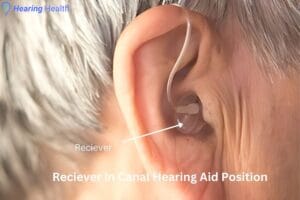
4- Receiver-in-Canal (RIC) or Receiver-in-the-Ear (RITE): RIC hearing aids have a receiver (Speaker) located inside the ear canal and are connected to a behind-the-ear component via a thin wire.
Hearing aids are suitable for various individuals, including seniors with age-related hearing loss, children with congenital or acquired hearing issues to aid language and speech development, and adults of all ages who may experience hearing loss due to factors like noise exposure, genetics, or medical conditions.
About 2 to 3 out of every 1,000 children in the United States are born with a detectable level of hearing loss in one or both ears and 2 percent of adults aged 45 to 54 have disabling hearing loss.Nearly 25 percent of those aged 65 to 74 and 50 percent of those who are 75 and older have disabling hearing loss according to National Institute on Deafness and Other Communication Disorders.
Here’s a table showing the price range for hearing aids from five reputable brands across different types:
| Logo | Brand | Behind-the-Ear (BTE) | In-the-Ear (ITE) | In-the-Canal (ITC/CIC) | Receiver-in-Canal (RIC/RITE) |
|---|---|---|---|---|---|
 | Oticon | $1,200 – $5,500 | $1,600 – $6,200 | $2,200 – $6,800 | $2,700 – $7,300 |
 | Phonak | $1,000 – $5,000 | $1,500 – $6,000 | $2,000 – $6,500 | $2,500 – $7,000 |
 | Widex | $1,100 – $5,200 | $1,400 – $6,000 | $1,900 – $6,500 | $2,400 – $7,000 |
 | ReSound | $1,000 – $4,800 | $1,400 – $5,800 | $1,800 – $6,300 | $2,300 – $6,800 |
 | Starkey | $1,300 – $5,700 | $1,700 – $6,300 | $2,300 – $6,900 | $2,800 – $7,400 |
What are Invisible-in-Canal Hearing Aids:
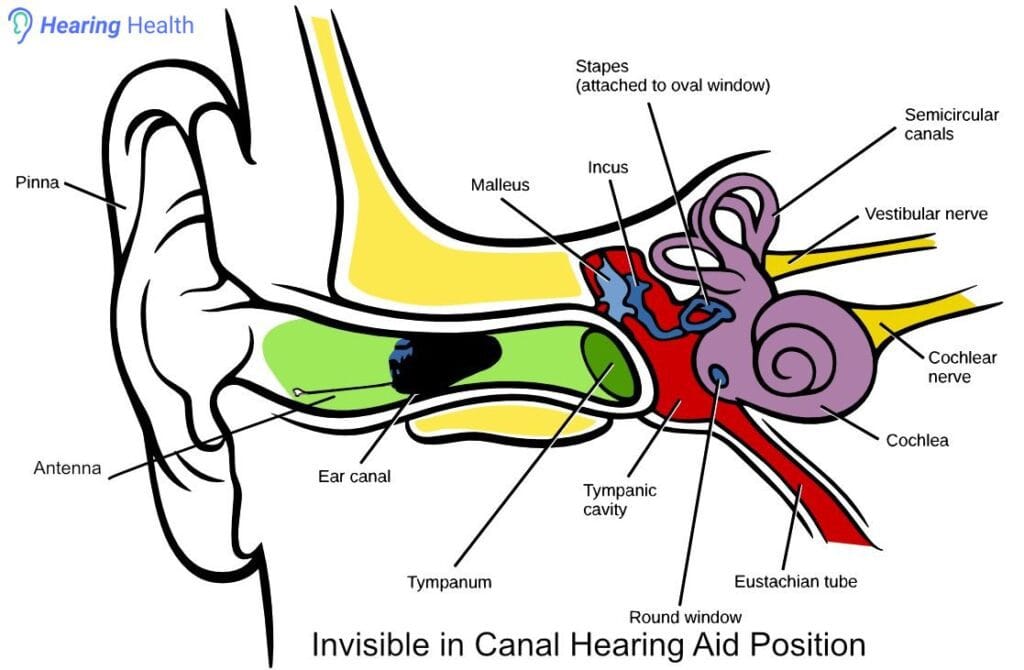
Invisible-in-Canal (IIC) hearing aids are tiny devices designed to fit deep inside the ear canal, making them virtually invisible. IIC hearing aids are ideal for mild to moderately severe hearing loss. They offer wearers a cosmetically appealing option, as they remain hidden from view.
These aids are suitable for individuals with sensorineural hearing loss, conductive hearing loss, or mixed hearing loss.
IIC hearing aids are favored by those who seek discretion, including professionals, young adults, and anyone looking for a subtle hearing solution.
Price Range for Three Brands:
Here’s an approximate price range for IIC hearing aids from Phonak, Oticon, and Resound:
- Phonak: Cheapest – $1,500, Median – $3,000, High-End – $6,000
- Oticon: Cheapest – $1,400, Median – $2,800, High-End – $5,500
- Resound: Cheapest – $1,300, Median – $2,600, High-End – $5,200
Pros and Cons of IIC Hearing Aids:
| Pros | Cons |
|---|---|
| Virtually Invisible | Limited Amplification for Severe Loss |
| Natural Sound Quality | Prone to Earwax and Moisture Issues |
| Comfortable for Extended Wear | Custom Fitting Takes Time |
| Cosmetically Appealing | Higher Cost Compared to Some Alternatives |
| Minimal Wind Noise | Smaller Batteries Require Frequent Change |
What are Completely-in-canal Hearing Aids:
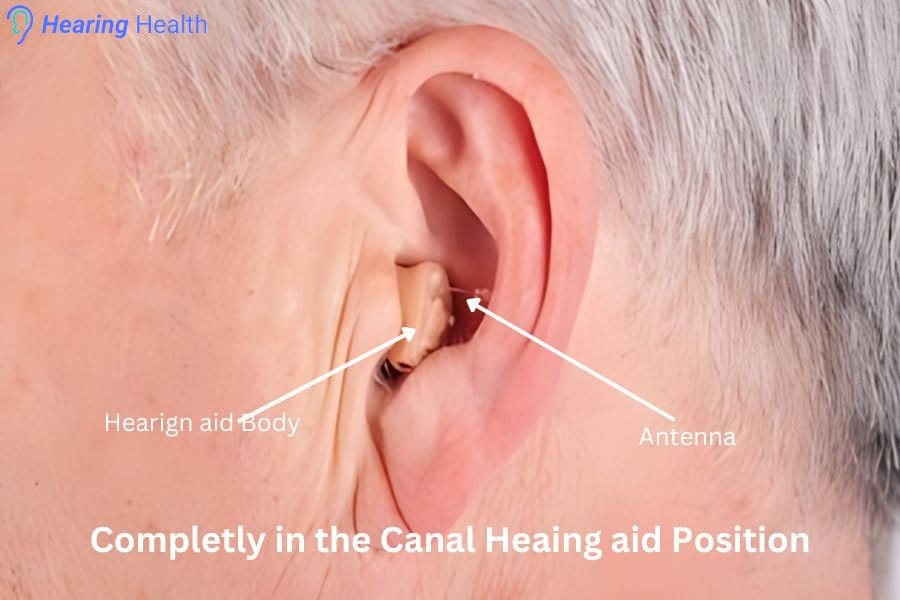
Completely-in-canal (CIC) hearing aids are a discreet option for individuals with hearing loss, offering a cosmetically appealing solution. They fit entirely inside the ear canal, making them nearly invisible to others.
CIC hearing aids are ideal for mild to moderate hearing loss. They are favored by those who value discretion.
CIC hearing aids are suitable for sensorineural and mild to moderate hearing loss individuals.
Professionals, active individuals, and anyone looking for a discreet hearing solution often choose CIC hearing aids.
Price Range for Three Brands:
Here’s an approximate price range for IIC hearing aids from Phonak, Oticon, and Resound:
- Phonak: Cheapest – $1,500, Median – $3,000, High-End – $6,000
- Oticon: Cheapest – $1,400, Median – $2,800, High-End – $5,500
- Resound: Cheapest – $1,300, Median – $2,600, High-End – $5,200
Pros and Cons of IIC Hearing Aids:
| Pros | Cons |
|---|---|
| Virtually Invisible | Limited Amplification for Severe Loss |
| Natural Sound Quality | Prone to Earwax and Moisture Issues |
| Comfortable for Extended Wear | Custom Fitting Takes Time |
| Cosmetically Appealing | Higher Cost Compared to Some Alternatives |
| Minimal Wind Noise | Smaller Batteries Require Frequent Change |
What are Receiver-in-Canal Hearing Aids
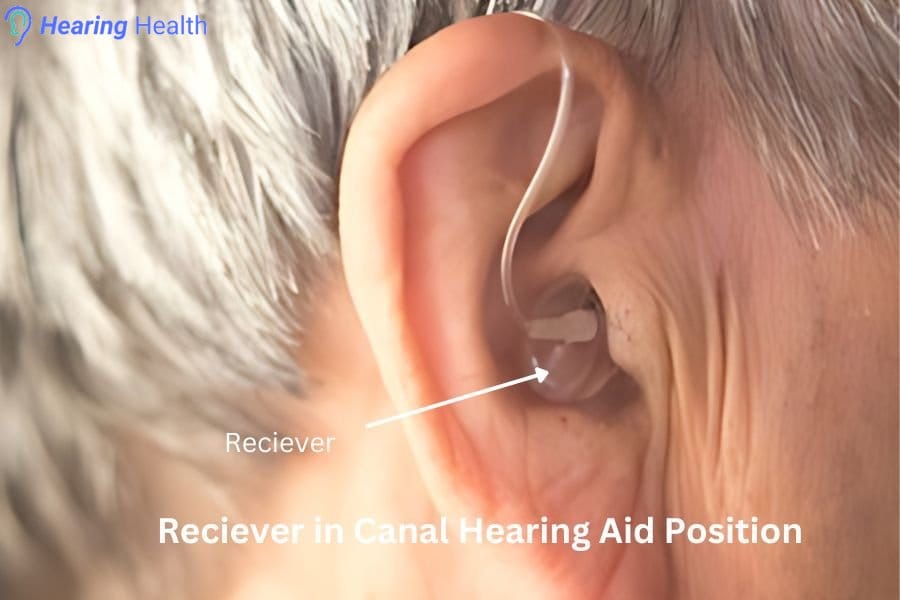
Receiver-in-canal (RIC) hearing aids are popular for many individuals seeking improved hearing. These devices offer a balance between performance and discretion.
RIC hearing aids consist of a small casing behind the ear and a receiver inside the ear canal, connected by a thin wire.
RIC hearing aids are versatile and suitable for a wide range of hearing losses, from mild to severe. Individuals seeking a balance between performance and discretion often opt for RIC hearing aids.
Price Range for Three Brands: Here’s an approximate price range for RIC hearing aids from Phonak, Oticon, and Resound:
- Phonak: Cheapest – $1,800, Median – $3,500, High-End – $7,000
- Oticon: Cheapest – $1,700, Median – $3,300, High-End – $6,500
- Resound: Cheapest – $1,600, Median – $3,100, High-End – $6,200
Pros and Cons of RIC Hearing Aids:
| Pros | Cons |
|---|---|
| Excellent Sound Quality | Vulnerable to Moisture and Sweat |
| Comfortable and Discreet | Batteries Require Periodic Replacement |
| Suitable for Various Hearing Losses | Customization May Be Limited |
| Wireless Connectivity Options | Higher Initial Cost Than Some Alternatives |
| Improved Feedback Management |
What are Behind-The-Ear (BTE) Hearing Aids
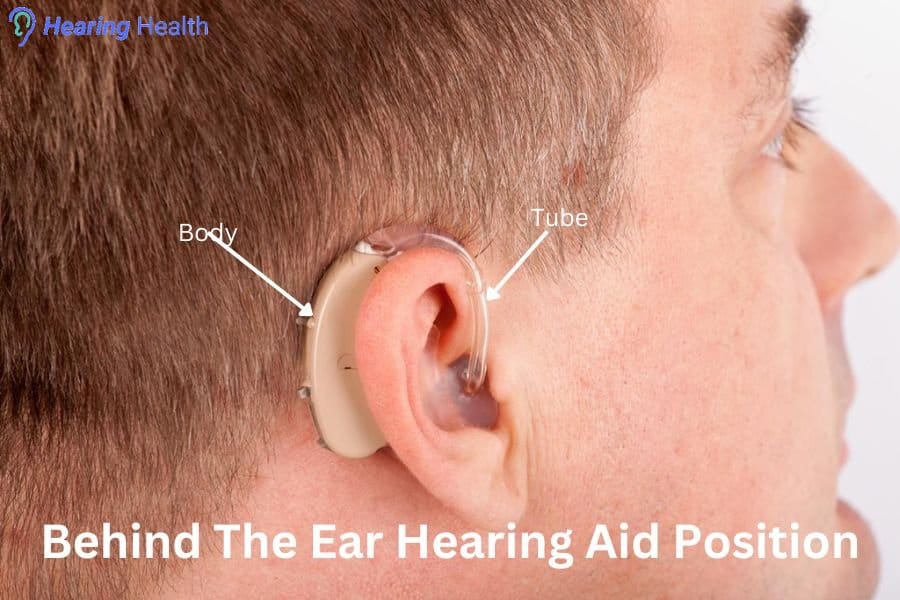
Behind-the-ear (BTE) hearing aids are a classic and versatile option for individuals with hearing loss. These devices sit discreetly behind the ear. They consist of a casing behind the ear and a thin tube or wire that delivers sound to the ear canal.
BTE hearing aids are suitable for various types and degrees of hearing loss, making them popular.BTE hearing aids are versatile and can address mild to severe hearing loss.
BTE hearing aids are suitable for individuals of all ages and backgrounds.
Here’s an approximate price range for BTE hearing aids from Phonak, Oticon, and Resound:
- Phonak: Cheapest – $1,200, Median – $2,500, High-End – $5,000
- Oticon: Cheapest – $1,100, Median – $2,300, High-End – $4,600
- Resound: Cheapest – $1,000, Median – $2,100, High-End – $4,200
Pros and Cons of BTE Hearing Aids:
| Pros | Cons |
|---|---|
| Suitable for a Wide Range of Hearing | Visible Behind the Ear |
| Good Sound Quality | Potential Feedback Issues |
| Easy to Handle and Maintain | Slightly Less Discreet Than Some Types |
| Long Battery Life | |
| Compatible with Accessories |
What are In-The-Ear (ITE) Hearing Aids:
In-the-ear (ITE) hearing aids are custom-made to fit inside the ear, offering a comfortable and effective hearing solution.ITE hearing aids are custom-fitted devices that fill the ear’s bowl-shaped area, providing natural sound amplification.
ITE hearing aids are suitable for mild to severe hearing loss and offer a balance between discretion and performance. They come in various sizes and styles, including full-shell and half-shell options.
Individuals with a wide range of hearing loss types can benefit from ITE hearing aids.
ITE hearing aids are popular among individuals seeking a comfortable and custom-fit solution.
Here’s an approximate price range for ITE hearing aids from Phonak, Oticon, and Resound:
- Phonak: Cheapest – $1,300, Median – $2,700, High-End – $5,400
- Oticon: Cheapest – $1,200, Median – $2,500, High-End – $5,000
- Resound: Cheapest – $1,100, Median – $2,300, High-End – $4,600
Pros and Cons of ITE Hearing Aids:
| Pros | Cons |
|---|---|
| Custom Fit for Comfort | Visible Inside the Ear |
| Natural Sound Amplification | Vulnerable to Earwax and Moisture |
| Suitable for Various Hearing Losses | Customization May Be Limited |
| Discreet Design | Higher Cost Compared to Some Alternatives |
| Enhanced Sound Quality |
What are Cros Hearing Aids:
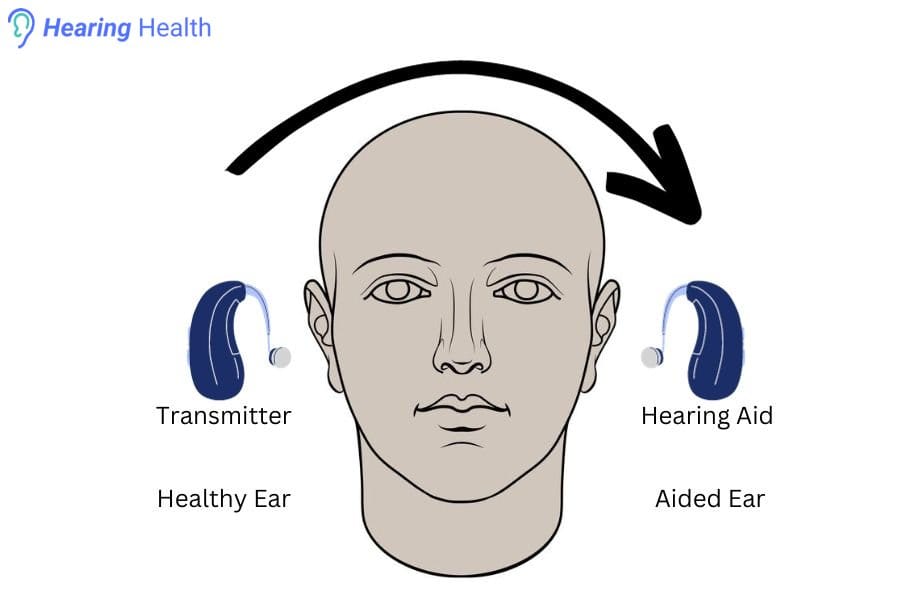
Cros (Contralateral Routing of Signals) hearing aids assist individuals with unilateral hearing loss, providing improved sound perception and communication abilities. Cros hearing aids consist of a microphone on the impaired ear and a receiver on the better ear, transmitting sound from the weaker side to the stronger ear.
Cros hearing aids are specifically designed for individuals with unilateral hearing loss, where one ear has normal hearing, and the other has significant hearing loss. Cros hearing aids are suitable for those with single-sided deafness or severe hearing loss in one ear.
The cost of Cros hearing aids varies but typically ranges from $2,000 to $5,000, depending on features and technology.
Pros and Cons of Cros Hearing Aids:
| Pros | Cons |
|---|---|
| Improved Sound Localization | May Not Be Suitable for Bilateral Loss |
| Enhanced Speech Perception | Requires Adjustment Period |
| Discreet Design | Higher Initial Cost |
| Addresses Unilateral Hearing Loss | |
| Enhanced Communication Abilities |
How hearing aids work
The Main parts of a hearing aid, illustrated on Behind The Ear:
1- Microphone:
The microphone in a hearing aid acts like its ears, capturing sounds from the surroundings and turning them into electrical signals. Air conduction, which involves collecting sound from the environment, is a crucial part of this process. According to the American Speech-Language-Hearing Association (ASHA), the microphone is the hearing aid’s “input” component, responsible for picking up sounds from the world around us.
2- Amplifier:
The amplifier in a hearing aid plays a critical role by strengthening the electrical signals from the microphone, enhancing their strength for improved clarity.ASHA defines the amplifier as the part responsible for “increasing the volume” of sounds.
3- Receiver (or Speaker):
The receiver’s role is to take the amplified signals and transform them back into sound waves. Air conduction ensures these sound waves efficiently reach the eardrum. According to the National Institute on Deafness and Other Communication Disorders (NIDCD), the receiver is responsible for “changing the electrical signals back into sound.”
4- Battery:
The battery powers the hearing aid, enabling it to perform its functions. Which comes in various shapes and types like rechargeable or not rechargeable
5- Control and Processing Circuitry:
The control and processing circuitry functions as the hearing aid’s brain, fine-tuning sound settings and filtering out undesirable noise. It is pivotal in optimizing the clarity of sounds transmitted through air conduction. The British Society of Audiology underscores the role of digital signal processing in hearing aids, highlighting their ability to customize sounds to individual preferences and requirements.
6- Differences Among Brands:
Hearing aid features can vary significantly among brands. For example, some brands may offer advanced noise-cancellation technology, while others focus on rechargeable batteries or smartphone connectivity.
Oticon, a leading hearing aid manufacturer, is known for its BrainHearing™ technology, which replicates the brain’s natural auditory processes, enhancing speech understanding in noise.
Another prominent brand, Phonak, offers a wide range of hearing aids with features like rechargeability and Bluetooth connectivity for seamless integration with smartphones and other devices.
How to Choose Your Hearing Aid
Selecting the right hearing aid involves meticulously evaluating various factors, such as the type and severity of hearing loss, age, and lifestyle.
When it comes to determining the appropriate type based on hearing loss, seeking professional assessment is crucial. Hearing healthcare experts like audiologists specialize in evaluating and managing hearing impairments.
They conduct hearing tests, including pure-tone, speech audiometry and real ear measurement to identify the type and extent of hearing loss.
In more complex cases, otologists or otolaryngologists (ENT specialists) may be necessary to diagnose and address underlying medical issues affecting hearing. Pediatric audiologists cater to children’s specific needs, possessing expertise in assessing and managing hearing challenges in young individuals.
Considering age and lifestyle is equally important:
– Seniors often prioritize comfort and ease of use. Behind-the-ear (BTE) or receiver-in-canal (RIC) styles are popular due to their user-friendly controls. Examples of such hearing aids include the Phonak Audeo Marvel and the ReSound LiNX Quattro.
– Children require hearing aids designed to withstand active play and learning. These devices should have features tailored to support young users. Models like the Phonak Sky Marvel and Oticon’s pediatric offerings are worth considering for children’s specific needs.
Most Important Hearing Aid Features:
Here’s a table outlining the key technological features of hearing aids and their roles:

| Feature | Role |
|---|---|
| Digital Signal Processing | Customizes sound for individual hearing needs. |
| Directional Microphones | Focuses on speech, reducing background noise. |
| Multiple Listening Programs | Adapts to different listening environments. |
| Noise Reduction | Filters out unwanted noise for improved clarity. |
| Telecoil (T-coil) | Enhances telephone and loop system compatibility. |
| Bluetooth Connectivity | Links with smartphones and audio devices for direct streaming. |
| Rechargeable Batteries | Eliminates the need for constant battery changes. |
| Remote Control/Apps | Allows users to adjust settings discreetly. |
| Feedback Suppression | Prevents whistling or feedback sounds. |
What is the Hearing Aid Fitting Process
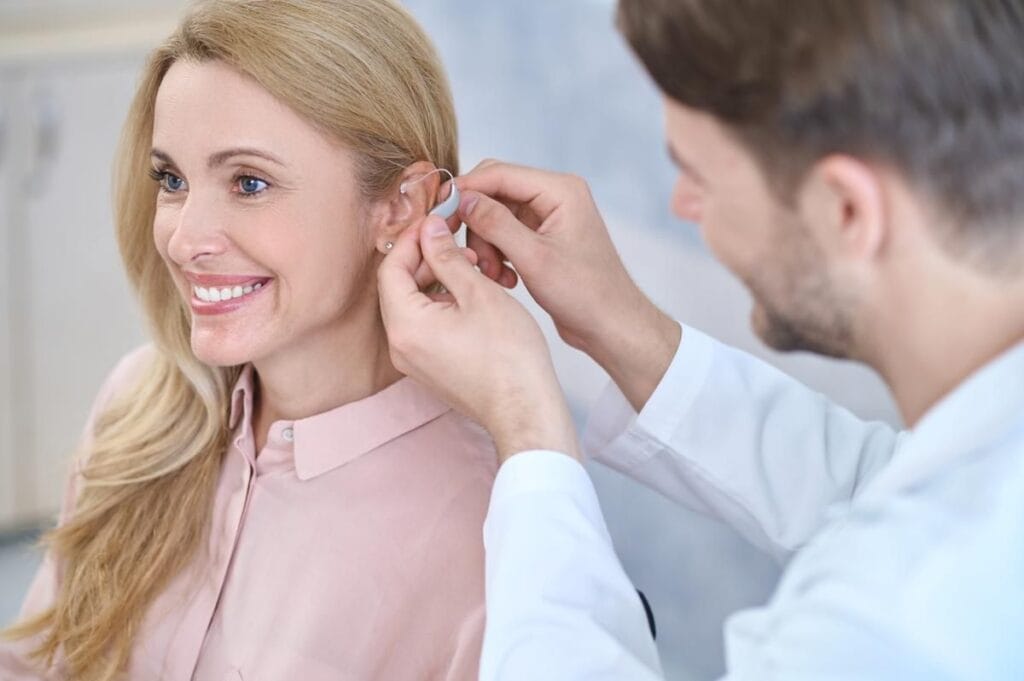
The fitting process for hearing aids is a personalized and thorough procedure where a qualified hearing healthcare professional tailors the hearing aids to suit the unique needs of an individual with hearing loss. This process involves selecting the appropriate hearing aid, fine-tuning its settings, and ensuring a comfortable fit.
Why is the fitting process necessary?
1- Optimal Sound Quality: A properly fitted hearing aid delivers the best sound quality, enhancing speech clarity while reducing background noise.
2- Comfort: A well-fitted hearing aid ensures comfort during extended use, minimizing irritation or discomfort.
3- Efficacy: An accurately fitted hearing aid provides maximum benefit, improving communication and overall quality of life.
What are the requirements for the fitting process?
– Hearing Test: Before fitting, an audiologist typically conducts a hearing test to determine the type and severity of hearing loss.
– Prescription: Based on the hearing test results, the audiologist prescribes the most suitable hearing aids.
Who can perform the fitting?
The fitting process should be carried out by a qualified hearing healthcare professional, typically an audiologist or hearing instrument specialist. These professionals possess the necessary training and expertise to conduct comprehensive assessments and fine-tune hearing aids.
Duration and Costs:
– Duration: The fitting process can span several hours to ensure a precise fit and optimal sound adjustments. It may require multiple appointments for fine-tuning.
– Costs: The expenses associated with the fitting process can vary based on factors such as professional fees, the complexity of the hearing loss, and the chosen hearing aid model. Some insurance plans may cover part or all of these costs.
Potential Consequences of Skipping the Fitting Process:
Choosing to bypass the fitting process or purchasing hearing aids without professional guidance can lead to several negative outcomes:
– Suboptimal Sound Quality: Hearing aids may not be customized to address your specific hearing needs, resulting in poor sound quality and reduced benefit.
– Discomfort: Ill-fitting hearing aids can cause discomfort, irritation, or even pain, discouraging regular use.
– Wasted Investment: Hearing aids that are not properly fitted may not provide the expected benefits, making the investment less cost-effective.
– Missed Opportunities: With a fitting, you may access technological advancements and features that could significantly enhance your quality of life.
What are the other hearing devices
1.Bone-Anchored Hearing Aid (BAHA):
A bone-anchored hearing aid (BAHA) is a medical device designed to assist individuals experiencing hearing impairment. Its function is to transmit sound vibrations directly through the skull bone to the inner ear, circumventing the middle ear entirely. This technology is particularly beneficial for those with specific auditory challenges.
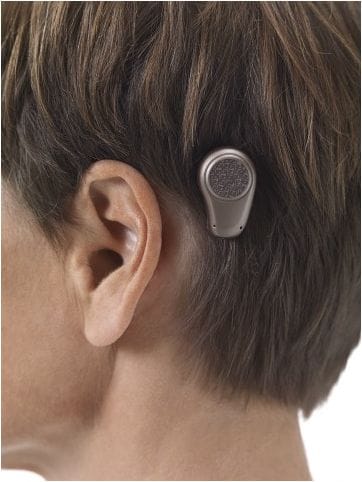
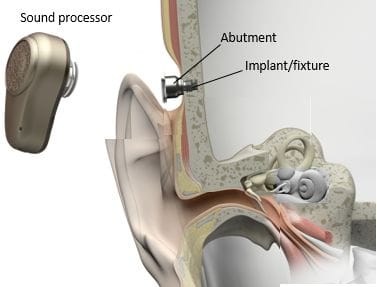
The primary components of a BAHA system are as follows:
– Implant: This small titanium fixture is surgically implanted into the skull bone, typically positioned behind the ear. It serves as a stable anchor for the hearing aid.
– Abutment: The abutment is the component that links the implant to the external hearing device.
– Sound Processor: Responsible for capturing and processing environmental sounds, the sound processor converts these sounds into vibrations.
– External Microphone: Some BAHA systems incorporate an external microphone to enhance sound acquisition.
– Speech Processor: The speech processor plays a crucial role in enhancing speech sounds and facilitating improved speech comprehension.
http://www.audiologyonline.com/articles/surgical-and-audiological-considerations-in-12225
The operational principle of the BAHA system revolves around the capture of sounds via the microphone, their conversion into vibrations, and the transmission of these vibrations through the implanted device and the skull bone to the inner ear, where they are interpreted as audible sounds.
BAHA technology is primarily indicated for individuals presenting with conductive or mixed hearing loss, single-sided deafness, or those confronted with impediments to conventional hearing aid usage due to anatomical ear canal issues.
2- Cochlear Implant:
A cochlear implant is a medical device surgically implanted to address severe to profound hearing loss by directly stimulating the auditory nerve, bypassing damaged or non-functioning parts of the inner ear, known as the cochlea.
Critical Components of a Cochlear Implant:
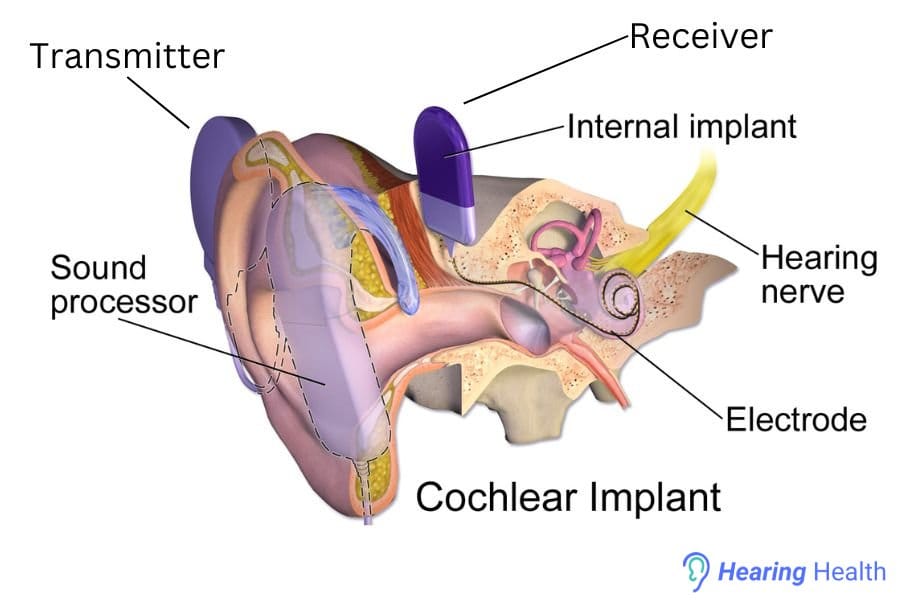
- External Components: These comprise a microphone, a speech processor, and a transmitter coil.
- Internal Components: The internal components include a receiver-stimulator positioned under the skin behind the ear and an electrode array surgically implanted within the cochlea.
Operational Mechanism:
The functioning of a cochlear implant involves several steps. The microphone captures environmental sounds, which the speech processor then converts into digital signals. These digitized signals are subsequently transmitted to the internal receiver-stimulator. This internal device, in turn, sends electrical impulses directly to the auditory nerve via the implanted electrode array.
Role and Applicability:
Cochlear implants are intended explicitly for individuals grappling with severe to profound sensorineural hearing loss, where traditional hearing aids may provide limited or no benefit.
Suitable Conditions for Cochlear Implants:
- Severe to profound sensorineural hearing loss.
- Limited or inadequate improvement with traditional hearing aids.
What About Hearing Aid Financial Assistance
Hearing aid financial assistance encompasses a range of programs, grants, and resources designed to support individuals with hearing loss in obtaining hearing aids when financial constraints might otherwise hinder their acquisition.
Financial assistance programs introduce various clauses and conditions, including income verification requirements, restrictions on the type or brand of hearing aid covered, provisions for maintenance and repairs, renewal or reapplication procedures, and obligations to report on the use and effectiveness of the hearing aid.
The extent of coverage available through hearing aid financing programs can vary significantly. Some programs cover the entire cost of hearing aids, while others offer partial funding.
Different age groups and income levels may have access to specific assistance programs:
- Seniors: Programs such as Medicare (in the United States) or Veterans Affairs (VA) services may offer hearing aid coverage for various elements of the acquisition process.
- Children: Early and Periodic Screening, Diagnostic, and Treatment (EPSDT) under Medicaid and the Children’s Health Insurance Program (CHIP) are resources in the U.S. that provide hearing aid coverage for children.
- Low-Income Individuals: Medicaid programs in many states offer hearing aid coverage for low-income individuals. Local charities and nonprofit organizations may also extend financial aid to residents in need.
- Students: Some school districts provide hearing aids or financial assistance to students with hearing loss as part of their educational services.
Several organizations, including Lions Clubs International, the Hearing Health Foundation, state or provincial health departments, and nonprofit hearing centers, offer hearing aid assistance and support to individuals in various circumstances.
It is advisable to research and reach out to specific programs, organizations, or government agencies in your local area to obtain up-to-date information on hearing aid financial assistance and tailored financing options. Additionally, consulting with an audiologist can provide valuable guidance on available resources and pathways to secure hearing aids.
What About Hearing Aid Insurance
Hearing aid insurance is a specialized insurance policy or coverage that helps individuals mitigate the costs associated with purchasing, maintaining, and repairing hearing aids.
The benefits of hearing aid insurance may include:
1- Coverage for Hearing Aids: Insurance typically covers the cost of hearing aids, reducing out-of-pocket expenses for individuals with hearing loss.
2- Coverage for Maintenance: Some policies may include coverage for routine maintenance and repairs of hearing aids.
3- Replacement Coverage: In the event of loss or irreparable damage, insurance can provide coverage for replacing the hearing aids.
4- Flexible Coverage Options: Insurance plans may offer various coverage levels and deductibles to suit individual needs and budgets.
Hearing Aid Insurance Coverage by Healthcare Programs:
- Medicare: As of my last knowledge update in September 2021, Medicare typically does not cover the cost of hearing aids. However, it may cover diagnostic evaluations related to hearing loss.
- Medicaid: Medicaid coverage for hearing aids varies by state. Some states provide comprehensive coverage, while others may have limitations.
- Veterans Affairs (VA): Veterans may receive hearing aids through the VA healthcare system if they meet specific eligibility criteria.
- TRICARE: TRICARE offers hearing aid coverage for active-duty service members and retirees, with limitations and eligibility criteria.
- Workers Compensation: Coverage for hearing aids due to work-related hearing loss may be available through workers’ compensation programs, depending on the circumstances.
- UnitedHealthcare: UnitedHealthcare offers hearing aid coverage as part of some of its plans, but specific details can vary.
Cost of Hearing Aid Insurance:
The cost of hearing aid insurance can vary widely based on factors such as the type of coverage, the provider, the extent of coverage, and your location. Premiums can range from a few hundred dollars to over a thousand dollars annually. Deductibles and copayments may also apply.
The “best” hearing aid insurance can vary depending on individual needs and circumstances. However, here are a few insurance providers known for offering hearing aid coverage:
1- TruHearing: TruHearing partners with various insurance providers to offer hearing aid benefits and has a network of hearing care professionals.
2- Amplifon: Amplifon offers a range of hearing aid insurance plans with different coverage options.
3- Hearing Care Solutions: This company provides hearing aid benefit programs and works with various insurance carriers.
Discount Programs and Charities:
- Hearing Charities of America: This nonprofit organization may provide hearing aids to individuals in need.
- Starkey Hearing Foundation: This foundation donates hearing aids to individuals globally through its various programs.
- Lions Clubs International: Lions Clubs often have hearing aid assistance programs for those in need.
- Sertoma: Sertoma clubs may offer financial assistance for hearing aids to individuals with hearing loss.
- State Vocational Rehabilitation Programs: These programs can provide vocational rehabilitation services, including hearing aids, to eligible individuals with disabilities.
What are The Most popular brand and manufacturer of Hearing Aids
| Logo | Brand | Founder | Year of Creation | Most Known Product | Characteristic Features |
|---|---|---|---|---|---|
 | Eargo | Raphael Michel | 2010 | Eargo 6 | Invisible, rechargeable, modern design |
 | Jabra | Holger Reisinger | 1983 | Jabra Enhance | Bluetooth connectivity, ergonomic design |
| Oticon | Hans Demant | 1904 | Oticon Opn S | BrainHearing technology, open sound experience |
 | MDHearing | Sreekant Cherukuri | 2009 | MDHearing PRO | Affordable, over-the-counter solutions |
| Phonak | Albert von Ilberg | 1947 | Phonak Marvel | Broad range of styles, rechargeable options |
| ReSound | Dr. Rodney Perkins | 1943 | ReSound LiNX Quattro | Smart 3D sound, Made for iPhone compatibility |
 | Signia | Werner von Siemens | 1847 | Signia Styletto Xperience | Cutting-edge technology, sleek design |
| Starkey | William Austin | 1967 | Starkey Livio Edge AI | Artificial intelligence, health tracking |
| Widex | Christian Topholm | 1956 | Widex Moment | Natural sound quality, AI noise reduction |
What are Assistive Listening Devices
These devices are designed to enhance hearing in specific situations or environments but are not intended to replace hearing aids
.
We retrieve in the Market:
1- Loop Systems (Induction Loop Systems): These systems use a loop of wire that generates a magnetic field picked up by the telecoil (T-coil) in hearing aids or cochlear implants.teh haeing aid device processes the signal into a hearing sound.
2- Infrared Systems: Infrared listening systems transmit audio signals using infrared light. They are often used in theaters, cinemas, and conference rooms to enhance sound for individuals with hearing impairments. Listeners use special infrared receivers with headphones.
3-FM Systems: FM systems consist of a transmitter and receiver and are commonly used in educational settings.
4- Captioning Devices: Captioning devices display real-time captions of spoken words, making it easier for individuals with hearing loss to follow along in various settings. These devices are commonly used in theaters, cinemas, and live events.
5- Amplified Phones: These are specialized telephones with built-in amplification features. They are designed for individuals with mild to moderate hearing loss and often include features like adjustable volume and tone control.
6- Personal Sound Amplifiers: These are portable devices that amplify sound in various situations, such as during one-on-one conversations, while watching TV, or listening to music.
7- Assistive Listening Apps: Some smartphone apps offer assistive listening features like real-time speech-to-text transcription or sound amplification.
8- TV Listening Systems: The TV listening systems wirelessly transmit audio from the TV to headphones or a neck loop for better TV sound clarity, similarly to Loop Systems.
