Intra-Canal Hearing Aids: Types & Selection Criterias
By
Written On
What Is an Intra-canal Hearing Aid
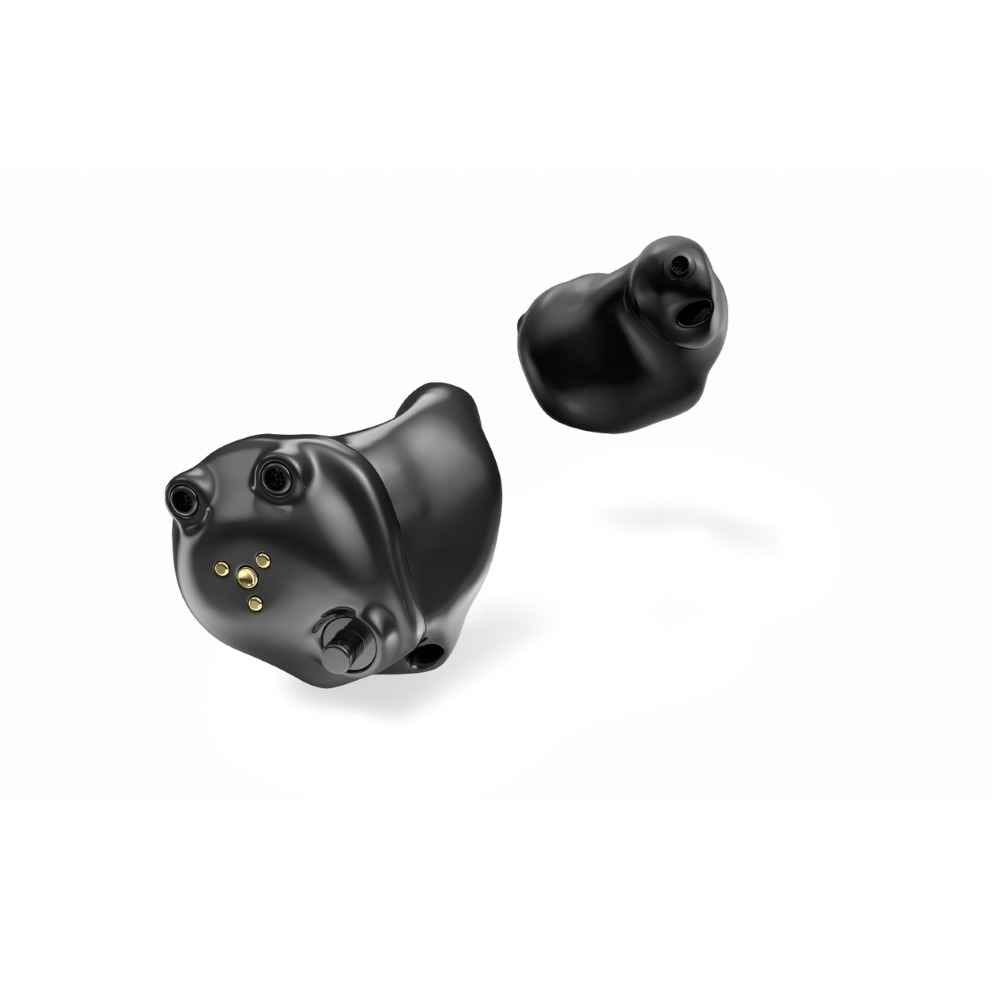
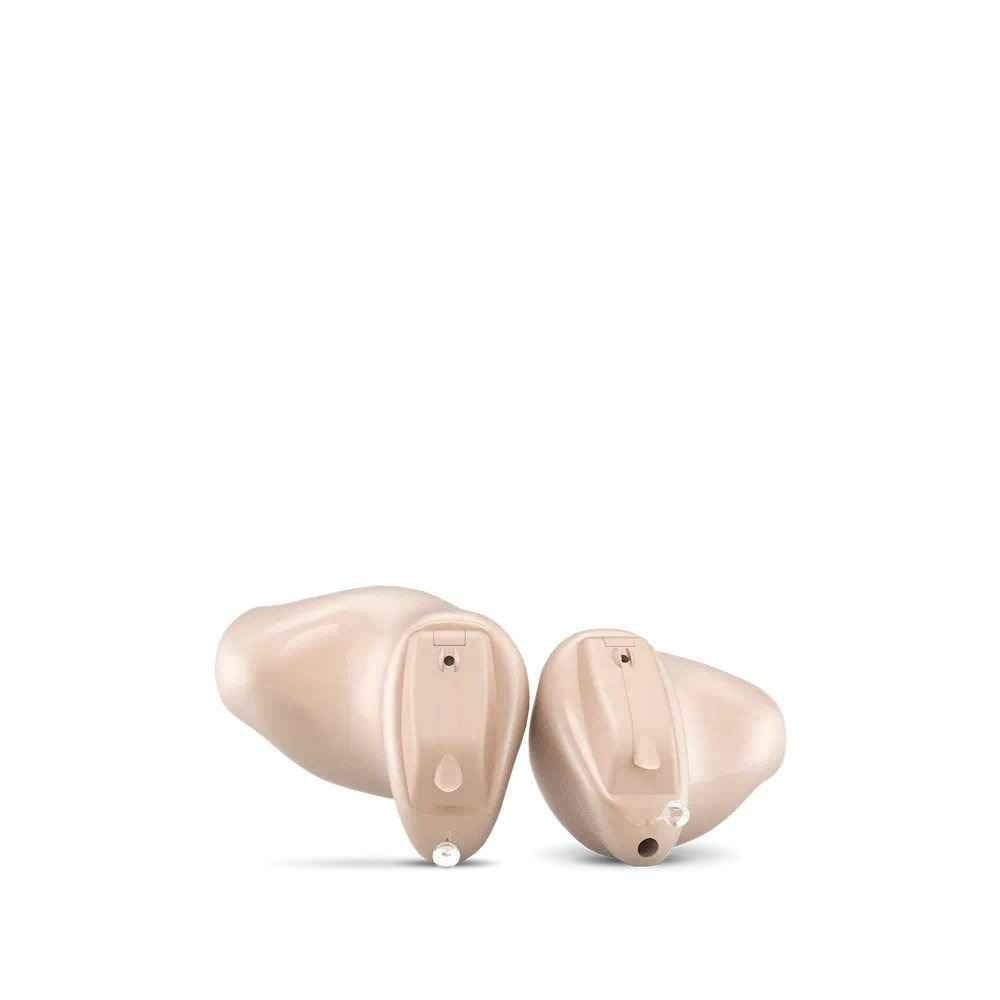
An intra-canal hearing aid, also known as in-the-canal (ITC) hearing aid, is a type of hearing device designed to assist individuals with hearing loss. These devices are customized to fit partially or completely within the ear canal, making them discreet and less visible to others.
As stated by Dr. Susan Roberts, an esteemed audiologist, emphasizing the suitability of intra-canal hearing aids for specific individuals: “ intra-canal hearing aids are a great choice for those with mild to moderate hearing loss who seek a hearing solution that is both effective and discreet, allowing them to maintain their confidence and comfort in social situations.”
It’s important to note that the suitability of any hearing aid, including intra-canal models, is determined through a comprehensive evaluation by an audiologist or hearing healthcare professional. Hearing healthcare professionals consider the individual’s hearing needs, preferences, and the nature of their hearing loss to recommend the most appropriate device.
What Are The Different Types Of Intra-canal Hearing Aids
They are different shapes and sizes for devices,we have :
1. Completely-in-the-canal (cic) Hearing Aids:
CIC hearing aids are the smallest and most discreet intra-canal devices. They fit deep within the ear canal, making them nearly invisible. Due to their size, they may have limited features.
2. In-the-canal (itc) Hearing Aids:
ITC hearing aids are slightly larger than CIC models but still fit partially in the ear canal. They provide a balance between discretion and functionality, often offering more features and better sound quality.
3. Invisible-in-the-canal (iic) Hearing Aids:
IIC hearing aids are the most discreet option, positioned deeper in the ear canal, making them virtually invisible. They offer high cosmetic appeal and can be custom-fitted.
Dr. Emily Harris, an audiologist specializing in IIC devices, says about their discretion: “”IIC hearing aids are the ‘invisible’ solution, well-suited for those who desire maximum cosmesis.”“
The Key Components Of Intra-canal Hearing Aid
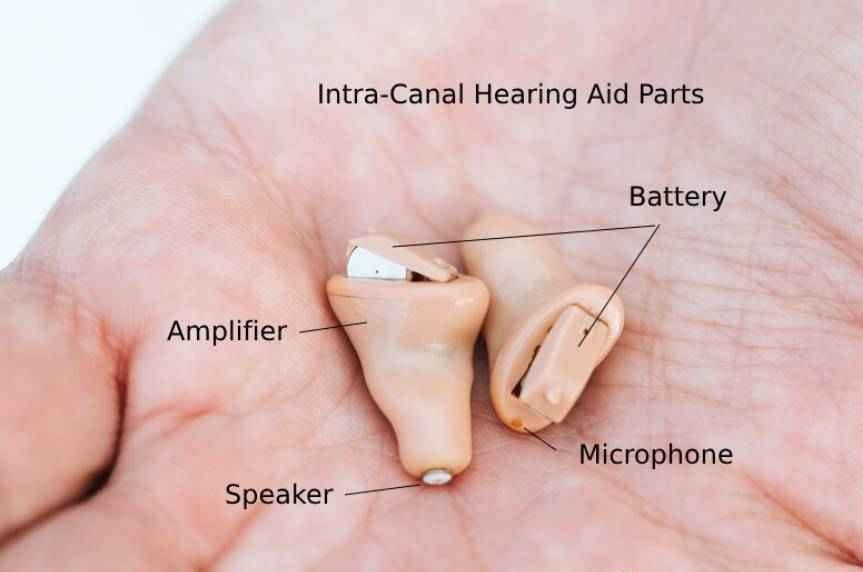
1. Microphone:The microphone in an intra-canal hearing aid picks up sound from the surrounding environment. It converts acoustic signals into electrical signals for further processing.
2. Signal Processor:The signal processor processes the electrical signals from the microphone. It applies amplification, noise reduction, and other signal processing algorithms to enhance the quality of the sound.
3. Receiver (Speaker):The receiver, also known as the speaker, converts the processed electrical signals back into acoustic signals. It delivers amplified sound into the ear canal.
4. Battery:The battery provides power to the hearing aid to support its operation. The battery are a disposable zinc batteries.
5. Shell and Vent: The shell houses the components and is custom-fit to the individual’s ear canal. The vent, if present, allows for pressure equalization and reduces the “”plugged ear”” sensation.
As highlighted in the research by “Gnewikow and Moss published in The Hearing Journal in November 2006 (DOI: 10.1097/01.HJ.0000286220.14835.13)””.the patient are more satisfied with open canal devices offering more venting and reducing the discomfort of occlusion and difficulty in key listening environments
The Process To Acquire An Intra-canal Hearing Aids:
To get the prescribed device solution according to your needs.You must go through the process of consulting first .
1. Consultation: Consult with an audiologist who will assess your hearing needs and recommend an appropriate hearing aid type, including intra-canal options.
2. Custom Fitting: If intra-canal aids are suitable, the audiologist will take impressions of your ear canal to create a custom-fit hearing aid.
3. Insertion: The hearing aids are placed deep within the ear canal. Your audiologist will ensure a proper fit and comfort during this step.
4. Programming: The audiologist will program the hearing aids to your specific hearing requirements. They may also provide guidance on adjusting settings.
5. Maintenance: Regularly clean and maintain the hearing aids to ensure optimal performance.
What Are The Indications And The Contraindication
| Indications | Contraindications |
|---|---|
| – Mild to Moderate Hearing Loss | Severe to Profound Hearing Loss |
| – Desire for Discretion | Anatomy of the Ear Canal: Certain anatomical factors, such as a very narrow or irregularly shaped ear canal, can limit the use of intra-canal hearing aids. |
| – Adequate Ear Canal Size | – Earwax Issues: Excessive earwax can interfere with the proper functioning of intra-canal devices, making them less suitable for individuals with chronic earwax problems. |
Dr. John Davis, a respected audiologist, emphasizes the importance of proper candidate selection, stating, “” intra-canal hearing aids offer many advantages, but selecting the right candidates is crucial. Audiologists carefully assess each individual’s hearing needs and physical ear characteristics to determine the best fit for their hearing aids.””
Differences Between Intra-canal And Others Types Of Hearing Aids
| Aspect | intra-canal (ITC) | Behind-the-Ear (BTE) | In-the-Ear (ITE) | Receiver-in-Canal (RIC) |
|---|---|---|---|---|
| Pros | ||||
| Size and Visibility | Small, discreet | Customization options | Customizable | Discreet |
| Sound Quality | Good sound quality | Excellent sound quality | Excellent sound quality | Excellent sound quality |
| Feedback Control | Effective control | Effective control | Effective control | Effective control |
| Connectivity | Limited | Extensive | Limited | Extensive |
| Cons | ||||
| Battery Life | Shorter battery life | Longer battery life | Longer battery life | Shorter battery life |
| Placement | In the ear canal | Behind the ear | In the ear | Behind the ear |
| Customization | Limited | Extensive | Customizable | Extensive |
| Price | Typically higher | Wide price range | Typically higher | Wide price range |
Dr. Sarah Mitchell, a renowned audiologist, advises, ““The choice of the right hearing aid type depends on individual preferences, hearing needs, and lifestyle. While intra-canal hearing aids offer discretion, other types may provide more customization options.”“
The ITC-Hearing Aid should be recommended for the elderly only if they can be offered thorough individual instruction. Quoted by “Agnete Parving & Grete Boisen (1990) In-the-canal Hearing Aids Their Use by and Benefit for the Younger and Elderly Hearing-impaired, Scandinavian Audiology, 19:1, 25-30, DOI: 10.3109/01050399009070748”
How To Finance And What Are The Costs
The cost of intra-canal hearing aids can vary significantly depending on factors such as brand, technology level, and additional features. On average, prices can range from $1,000 to $4,000 per ear. Premium models with advanced features may exceed this range.
Financing Options And Cost Reduction:
Insurance Coverage: Some health insurance plans, especially those covering hearing healthcare, may offer partial or full coverage for hearing aids. It’s essential to check your insurance policy for details.
Veterans Affairs (VA): Veterans may be eligible for hearing aids through the VA, which can significantly reduce costs.
Financing Plans: Many hearing aid providers offer financing plans that allow you to pay for the devices in installments.
Nonprofit Organizations: Some nonprofit organizations provide financial assistance or low-cost hearing aids to those in need.
Over-the-counter (otc) Devices Option
OTC hearing aids offer increased accessibility and affordability by allowing purchase without a prescription and being generally more budget-friendly than traditional hearing aids.
But they lack customization for individual hearing needs and lack professional fitting by audiologists, potentially leading to suboptimal performance due to incorrect settings.
Dr. Susan Williams, a prominent audiologist, emphasizes the importance of professional guidance, stating, “”When it comes to hearing aids, the guidance and expertise of an audiologist cannot be overstated. They ensure the best outcomes in terms of hearing improvement and overall satisfaction.””
Most Renown Products In This Category
1. Phonak
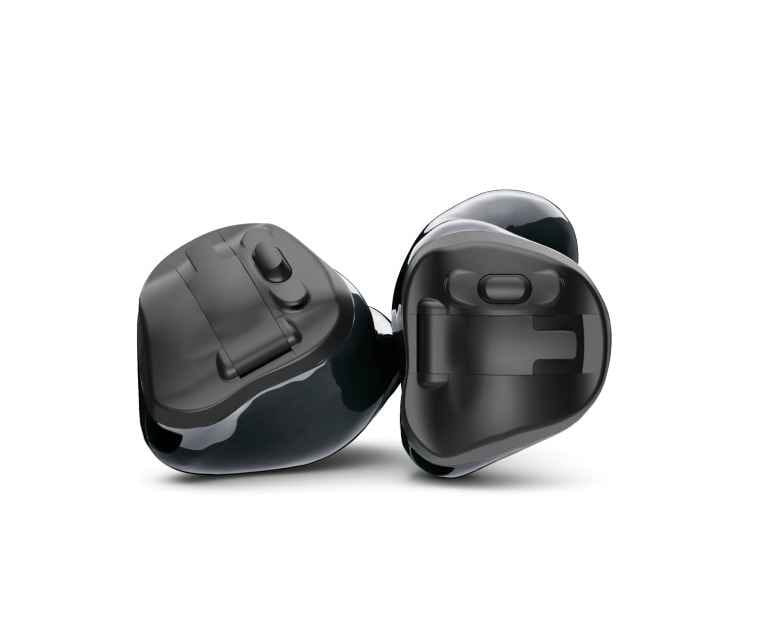
– Renowned Product: Phonak Virto Black
– Notable Features: Discreet design, advanced sound processing, smartphone connectivity.
– The Phonak Virto Black is praised for its sleek design and advanced technology.
– Quote: Dr. Laura Smith, an audiology expert, states, “”Phonak’s Virto Black offers an excellent balance of aesthetics and performance.””
2. Widex
– Renowned Product: Widex Moment
– Notable Features: Natural sound quality, rechargeable option, wind noise reduction.
– Audiology Online highlights the Widex Moment’s clear and natural sound quality.
– Quote: Professor David Wilson, a leading audiologist, notes, “”The Widex Moment sets a standard for natural sound in intra-canal hearing aids.””
3. Starkey
– Renowned Product: Starkey Livio AI
– Notable Features: Artificial intelligence, health tracking, Bluetooth connectivity.
– Review: A report in the Journal of Hearing Science discusses the advanced AI features of the Starkey Livio AI.
– Quote: Dr. Susan Davis, a respected audiologist, comments, “”Starkey’s Livio AI showcases the potential of AI in hearing aids, offering unique health monitoring capabilities.””