

The Roadmap to get Your Hearing Aid
By
Written On
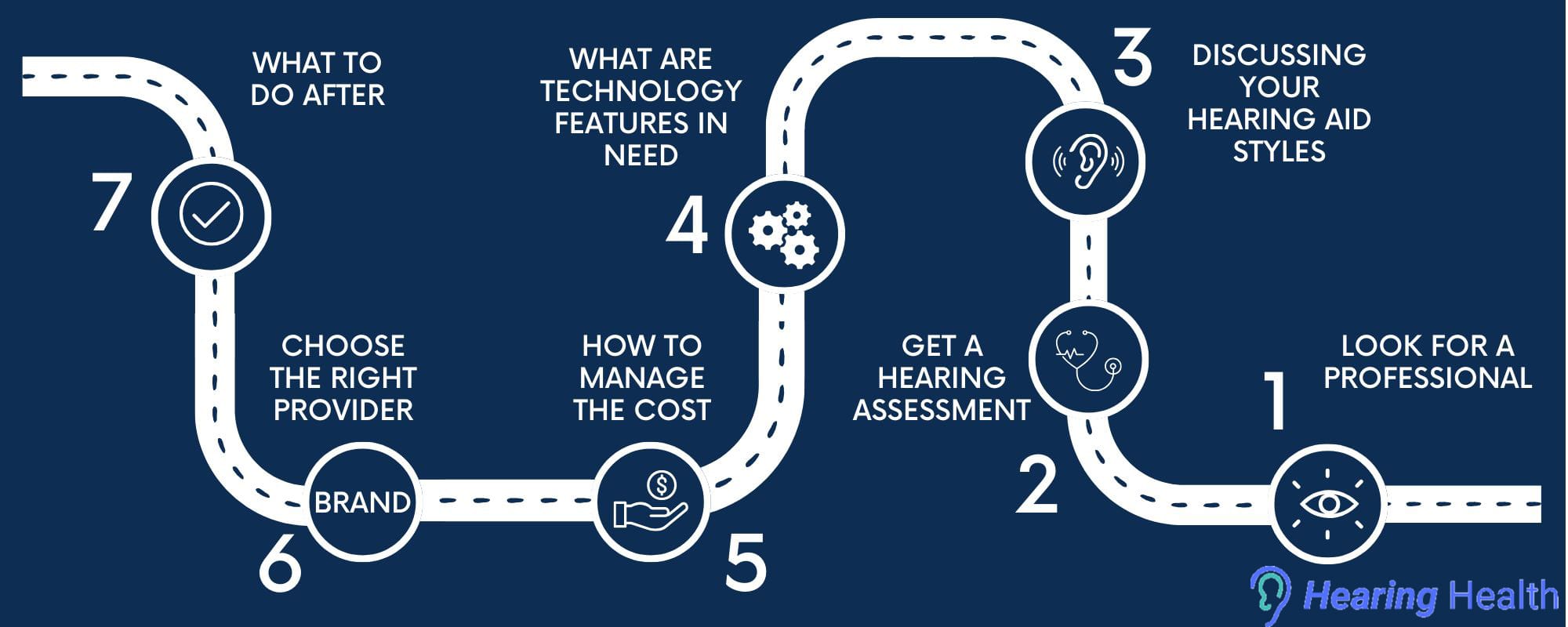
Which professional to consult with
you may be experiencing signs like:
- Difficulty to understanding speech.
- Frequently asking people to repeat themselves.
- Turning up the volume on electronic devices.
The first step in addressing hearing loss is scheduling a hearing evaluation with a qualified professional. Several professionals can conduct hearing loss exams:
1. Audiologist: Audiologists are healthcare professionals trained to diagnose and treat hearing disorders. They have the expertise to perform comprehensive hearing evaluations and recommend appropriate solutions.
2. Otolaryngologist (ENT): An Ear, Nose, and Throat specialist can diagnose and treat a wide range of ear-related conditions, including hearing loss. They may refer you to an audiologist for a hearing assessment.
3. Primary Care Physician: Your family doctor can also be the first point of contact. They may refer you to an audiologist or an ENT specialist for further evaluation.
Before the appointment, gather relevant documents and information like :
- Medical History: Bring any relevant medical records, including information about past ear infections, surgeries, or family history of hearing loss.
- List of Medications: Some medications can contribute to hearing loss, so provide a list of current medications.
- Insurance Information: Ensure you have your insurance details ready, as some hearing services may be covered by insurance.
- Questions and Concerns: Prepare a list of questions and concerns you want to discuss during the appointment. Problems can include lifestyle limitations due to hearing loss, communication difficulties, or specific preferences for hearing aids.
During the appointment, the professional will conduct a thorough hearing assessment. This assessment may include various tests to determine the type and degree of hearing loss.
What is a hearing assessment?
The hearing assessment is a procedure taken by the healthcare professional, to examine and evaluate the hearing loss of the patient.
The different steps are :
1. Patient History
During your appointment, the healthcare provider will ask about your medical history. Be prepared to discuss any previous ear infections, surgeries, or family history of hearing issues.
2.Physical Examination
The healthcare provider will perform a physical examination of your ears. They will check for earwax blockage, infections, or any structural abnormalities that could contribute to your hearing loss.
3.Hearing Tests
The core of the assessment involves various hearing tests:
- Pure-Tone Audiometry: You’ll wear headphones and respond to different tones by pressing a button or raising your hand. This test measures the softest sounds you can hear at various frequencies.
- Speech Audiometry: You’ll listen to and repeat words or sentences at different volume levels. This helps determine your speech understanding ability.
- Tympanometry: This test assesses the function of your middle ear and eardrum by measuring how they respond to pressure changes.

2.1. Types of Results
There are three primary types of hearing loss:
– Conductive Hearing Loss: This results from problems with the ear canal, eardrum, or middle ear.
– Sensorineural Hearing Loss: This type of hearing loss involves damage to the inner ear or auditory nerve and is typically permanent.
– Mixed Hearing Loss: Mixed hearing loss is a combination of both conductive and sensorineural hearing loss.
2.2. Discussing the Results
During the discussion of your results, your healthcare provider will:
– Explain the type and degree of hearing loss you have.
– Share whether your hearing loss is mild, moderate, severe, or profound.
– Discuss potential causes of your hearing loss.
– Recommend treatment options, if necessary.
These steps are part of in-person screening, unlike online screening. With online screening, you don’t have to go to the clinic.
What is the difference between in-person and online hearing screenings?
Online Hearing Loss Screening
Online hearing loss screening is a convenient and accessible way to get a preliminary understanding of your hearing capabilities.
Here are their characteristics :
– Accessibility: These screenings can be accessed from the comfort of your home using a computer or smartphone. They are typically free and readily available on various websites and apps.
– Self-Administered: Online screenings are self-administered, meaning you can take them at your own pace. They usually involve listening to sounds or tones through headphones and responding to prompts.
– Quick Results: After completing the screening, you’ll receive immediate results indicating whether you might have hearing loss and its potential severity.
– Limitations:They provide a general overview of your hearing health but cannot diagnose the specific type or cause of hearing loss. They are not a substitute for a professional evaluation.

In-person Screening
An in-person hearing loss screening, is conducted by a licensed healthcare professional. Here’s how it differs:
– Expertise: Audiologists are trained to perform comprehensive hearing assessments. They have the expertise to diagnose the type and degree of hearing loss accurately.
– In-Person Evaluation: Prescription screenings require an in-person visit to a healthcare facility or clinic. During the assessment, the audiologist conducts a series of tests to measure your hearing abilities thoroughly.
– Customized Recommendations: Based on the assessment results, the audiologist can provide personalized recommendations. This includes selecting the most appropriate hearing aid type, fitting, and adjustments tailored to your specific needs.
– Medical Considerations: Audiologists can also identify underlying medical conditions that may be contributing to your hearing loss.
Discussing your hearing aid styles choices.
After the assessment, you have to discuss the different options available to you to alleviate your hearing loss.
It’s essential to consider both social and physical needs when making this choice.
Styles of Hearing Aids According to lifestyle Needs
Hearing aids come in different styles, each with unique features to meet various social lifestyle’s requirement. Here are a few types and their suitability for specific situations:
1. Behind-the-Ear (BTE) Hearing Aids:
BTE hearing aids are discreet and sit comfortably behind the ear. They are suitable for various hearing loss levels and offer features like wireless connectivity for improved communication.
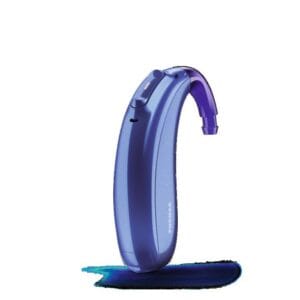
– Product Example: Phonak Sky BTE
2. In-the-Ear (ITE) Hearing Aids:
ITE hearing aids are custom-molded to fit within the ear canal. They are less visible and offer a more discreet appearance, making them ideal for individuals who prioritize aesthetics.
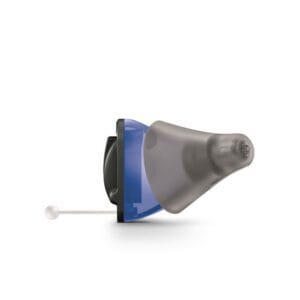
-Product Example: Signia Silk Nx
3. Receiver-in-Canal (RIC) Hearing Aids:
Description: RIC hearing aids have a tiny receiver placed inside the ear canal. This design provides improved sound quality and is suitable for those who need clear and natural-sounding amplification.
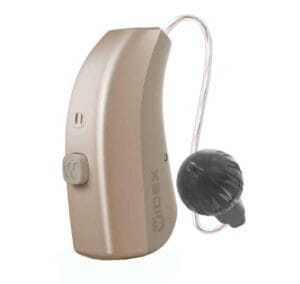
– Product Example: Widex EVOKE RIC
4. Custom In-the-Ear (CIE) Hearing Aids:
Custom in-the-ear hearing aids are molded to fit the unique contours of your ear canal, ensuring maximum comfort and stability.
5. Open Fit Hearing Aids:
Open-fit hearing aids are designed to allow some natural sound to enter the ear. They are suitable for individuals who prefer a more natural listening experience and require better ventilation for their ears.
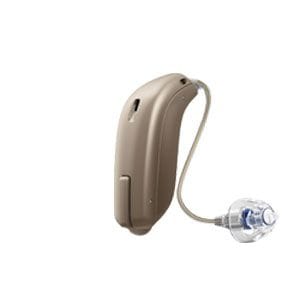
– Product Example: Oticon Opn S miniRITE
6. Bone Conduction Hearing Aids:
Bone conduction hearing aids bypass the ear canal and send sound vibrations directly to the inner ear, making them ideal for those with conductive hearing loss or ear canal abnormalities.
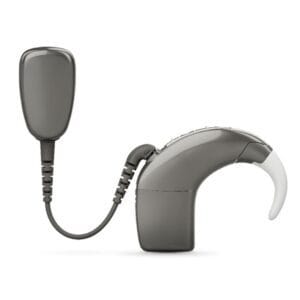
– Product Example: Cochlear Baha 5
What type of hearing aid for older people with dexterity problems?
The unique needs of seniors that can impact their ability to use and care for hearing aids effectively:
1. Reduced Fine Motor Skills
2. Limited Vision
What Type of Hearing Aid for Seniors ?
it’s essential to consider hearing aid options that are user-friendly and require minimal manipulation. Here are some suitable types:
1. Behind-the-Ear (BTE) Hearing Aids:
BTE hearing aids are worn behind the ear and are relatively large. They have accessible volume controls and are easier to handle for those with dexterity issues.
2. Receiver-in-Canal (RIC) Hearing Aids:
RIC hearing aids have a receiver (speaker) in the ear canal connected to a small unit behind the ear. They typically have larger buttons for volume control and program adjustments.
3. Rechargeable Hearing Aids:
Rechargeable hearing aids eliminate the need for handling tiny batteries.
4. Smartphone-Controlled Hearing Aids:
hearing aids controlled and adjusted using a smartphone app, which eliminates the need for manual dexterity to operate physical controls.
What types of hearing aids work best for children?
Special Needs for Children
Children with hearing loss have distinct needs that differ from those of adults. Here are some factors to consider:
1. Developmental Milestones: Children are continuously developing speech and language skills. Early intervention and appropriate amplification are essential to support their progress.
2. Comfort and Safety: Children need hearing aids that are comfortable to wear for extended periods and safe for their delicate ears.
3. Active Lifestyles: Children are often active and playful. Their hearing aids must stay in place during various activities.
What Types of Hearing Aids for Children?
When choosing a hearing aid for a child, it’s crucial to prioritize options that meet their specific needs:
1. Behind-the-Ear (BTE) Hearing Aids:
BTE hearing aids are versatile, durable, and can accommodate various ear mold designs as a child grows. They also offer features like volume control and are easy for parents to manage.
2. Receiver-in-Canal (RIC) Hearing Aids:
RIC hearing aids provide clear and natural sound, making them suitable for children who need a high level of audibility. They are also less noticeable, which can be important for self-esteem.
3. Digital Noise Reduction Technology:
This technology enhances speech understanding, making it easier for children to communicate and learn.
4. Water-Resistant and Durable Models:
These models ensure hearing aids remain functional even during physical activities and playtime.
5. Pediatric Audiologist Consultation:
Consulting with a pediatric audiologist is essential. They specialize in evaluating and managing hearing loss in children and can recommend the most suitable hearing aids based on the child’s specific needs and lifestyle.
After choosing the style, you can delve in the different technology features that can enhance your hearing experience.
What are the different technology features available?
1. Wireless Connectivity
Wireless connectivity in hearing aids allows them to connect to various audio sources, such as smartphones, TVs, and computers.Users can enjoy phone calls, music, and other audio content without external accessories or wires.
2. Variable Programming
Variable programming refers to the ability to adjust hearing aid settings to suit different listening environments.Improved adaptability ensures more precise and more comfortable hearing in diverse settings.
3. Telecoil
A telecoil, or T-coil, is a small coil of wire within the hearing aid that can pick up electromagnetic signals from hearing loop systems in venues like theatres.It enhances speech understanding and accessibility in public spaces equipped with loop systems.
4. Bluetooth Capabilities
Bluetooth capabilities in hearing aids allow direct wireless communication with Bluetooth-enabled devices like smartphones and tablets.Users can answer calls, listen to music, and use smartphone apps with ease.
5. Noise Reduction
Noise reduction is a feature that identifies and reduces unwanted background noise while preserving speech clarity.Improved speech understanding in noisy environments enhances overall communication.
6. Rechargeable Battery
Rechargeable hearing aids come with built-in batteries that can be recharged, eliminating the need for disposable batteries.
7.Directional microphone systems
Directional microphone systems are designed to boost sounds coming from the front of the wearer
8. Artificial intelligence
Some hearing aids come with artificial intelligence (AI), which allows mimicking how your brain would hear sound if your hearing wasn’t impaired.
9. Smartphone apps
smartphone apps allow adjustments, and monitoring battery life. Some of them work like assistive listening devices.
10. Tinnitus masking features
The most sophisticated hearing aids come with tinnitus masking features. An audiologist or other hearing care provider can program them to emit sounds that mask the tinnitus or ringing in your ears.
11. Waterproof design
the most frequent feature encountered is water-resistant on hearing aid
How to manage the cost of hearing aid
Insurance can play a significant role in making hearing aids more affordable for individuals with hearing loss. Insurance plans can vary widely in terms of what they cover. Some plans offer partial or complete coverage for hearing aids, while others may offer discounts or reimbursement.
Different Insurance Plans
There are various types of insurance plans, each with its approach to covering hearing aids:
1. Private Health Insurance: Many private health insurance plans offer coverage for hearing aids, but the extent of coverage can vary widely. Review your plan’s benefits to understand what is covered.
2. Medicare: Original Medicare (Parts A and B) does not cover routine hearing exams or hearing aids. However, some Medicare Advantage (Part C) plans may offer hearing aid coverage. Check with your specific plan for details.
3. Medicaid: Medicaid is a state and federal program that provides healthcare coverage for eligible low-income individuals and families. Coverage for hearing aids varies by state, so it’s essential to check your state’s Medicaid guidelines.
4. Tricare: Tricare is a healthcare program for uniformed service members, retirees, and their families. Tricare may cover hearing aids for eligible beneficiaries, but coverage details can differ by plan.
5. Employer-Sponsored Plans: Some employer-sponsored health insurance plans offer hearing aid coverage as part of their benefits package. Review your plan documents or speak with your HR department for information.
How to finance Hearing Aids
Here are some strategies to make them more affordable:
1. Insurance Coverage: Explore your insurance options to see if your plan covers hearing aids, and if so, to what extent.
2. Hearing Aid Financing: Some hearing aid providers offer financing options, allowing you to pay for hearing aids in installments over time.
3. Government Assistance Programs: Look into government assistance programs like Medicaid, which may provide coverage for hearing aids for eligible individuals.
4. Veterans Benefits: If you’re a veteran, consider exploring hearing aid benefits through the U.S. Department of Veterans Affairs (VA).
5. Hearing Aid Assistance Programs: Some charitable organizations and nonprofits offer assistance programs to help individuals obtain hearing aids at reduced or no cost.
How to choose the Right Provider:
Here are some common tips :
- Check Insurance Policy: Review your insurance policy to understand the extent of hearing aid coverage and which providers are in-network.
- Research Brands: Research hearing aid brands to identify those known for quality and innovation. Reputable brands include Phonak, Oticon, Widex, and Signia.
- Read Forum Reviews: Online forums and hearing aid communities can offer insights into user experiences and product satisfaction. Consider checking platforms like HearingTracker and Hearing Aid Forums.
- Consider “Try Before Buy”: Choose a provider that offers a “try before buy” option.e This allows you to test hearing aids to ensure they meet your needs before committing.
At this stage of the process, you can either follow the healthcare provider recommendation, and you will get a prescription hearing aid. Otherwise, you can get an over-the-counter hearing aid.
Prescription Hearing Aids vs. Over-the-Counter Hearing Aids
Prescription Hearing Aids
Prescription hearing aids are devices recommended and fitted by a licensed hearing care professional, such as an audiologist. They are programmed based on the results of a comprehensive hearing assessment. Prescription hearing aids can be more expensive than OTC options, but they offer tailored solutions and professional support.
Over-the-counter (OTC) Hearing Aids
OTC hearing aids, also known as direct-to-consumer hearing aids, are devices that can be purchased without a prescription or professional evaluation. OTC hearing aids are designed for individuals with mild to moderate hearing loss who want an accessible and more affordable option.OTC hearing aids are generally more budget-friendly compared to prescription hearing aids. They can be purchased online or at retail stores.
What to do after wearing the hearing aid
After choosing a hearing aid provider and device, there are a few things you can do to ensure a successful experience:
- Schedule a fitting appointment: Once you have chosen a hearing aid provider and device, schedule a suitable position. During this appointment, the provider will make sure the hearing aid fits properly and is adjusted to your specific hearing needs.if you opted for prescription hearing aid.
- Ask questions: Make sure you understand how to adjust the volume, change the batteries, and clean the device
- What is the average lifespan of a hearing aid?
- Other Assistive listening devices?
- What are the most common accessories?
- Schedule Follow-up appointments: Schedule follow-up appointments with your provider to make sure the hearing aid is working correctly and to make any necessary adjustments6.
- Practice using the hearing aid: It may take some time to get used to wearing a hearing aid. Using the device in different environments and situations to get comfortable with it.
- Take care of the hearing aid: Proper maintenance and upkeep of the hearing aid can help prolong its lifespan and ensure it continues to work correctly. Clean the device regularly and store it in a safe place when not in use.
