
Unveiling the World of BTE Hearing Aids
By
Written On
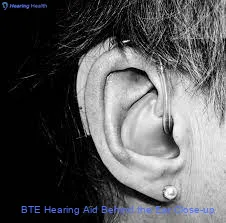
If you’re diving into the world of hearing aids, things can get pretty confusing quickly. Let’s clear up the details around two of the most popular options out there: Behind-the-Ear (BTE) and Receiver-in-the-Canal (RIC) devices. We’ll look at how they’re built, how they work, and who they actually help the most. We’re going to cover everything from managing phone connections and basic cleaning, all the way to understanding what these devices cost. By the time we’re done, you’ll have a much better handle on which style might be the right fit for your own hearing needs.
What Are Behind-the-Ear (BTE) Hearing Aids?
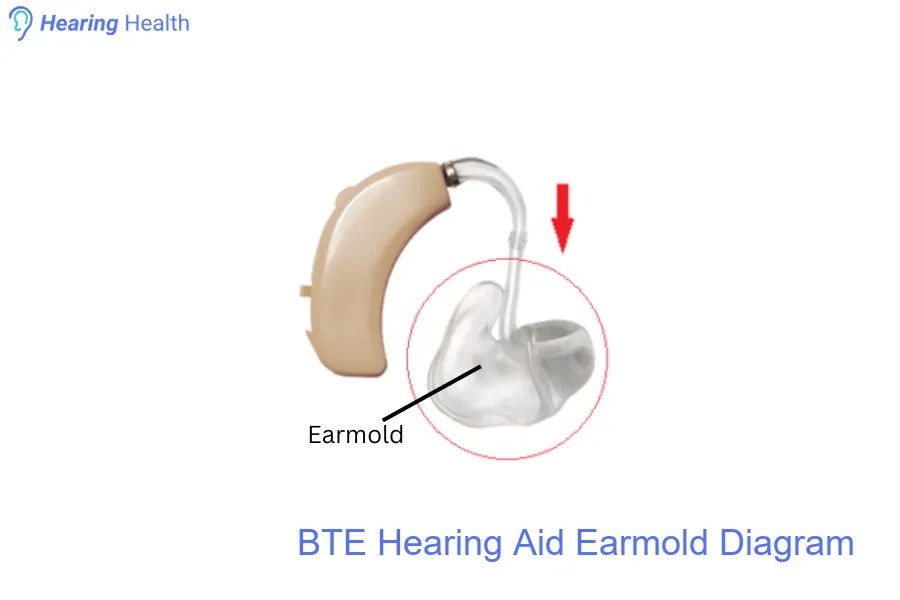
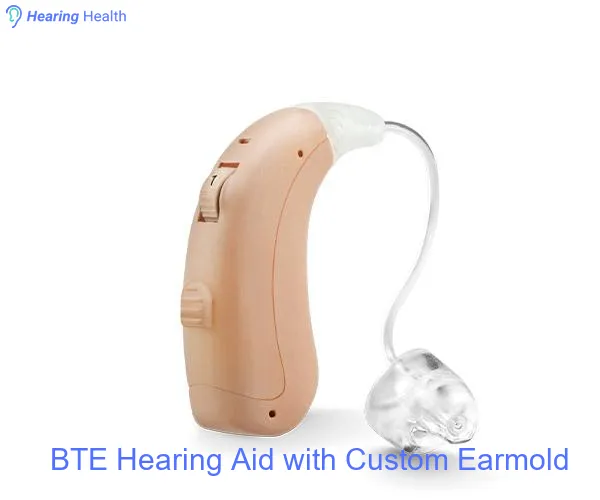
A Behind-the-Ear—or BTE—hearing aid is exactly what it sounds like. It’s a small plastic case that sits right behind your ear and holds all the tiny electronics. A clear, incredibly thin tube connects that case down to a custom-fit earpiece resting in your ear canal. One reason BTEs are so incredibly common is their sheer versatility. They pack enough power to help people with almost any level of hearing loss. In fact, a 2020 study by Smith and colleagues in the Journal of the American Academy of Audiology noted just how popular BTEs have become, mostly because they’re comfortable to wear and can be easily upgraded with the latest tech.
Receiver-in-the-Canal (RIC) Hearing Aids
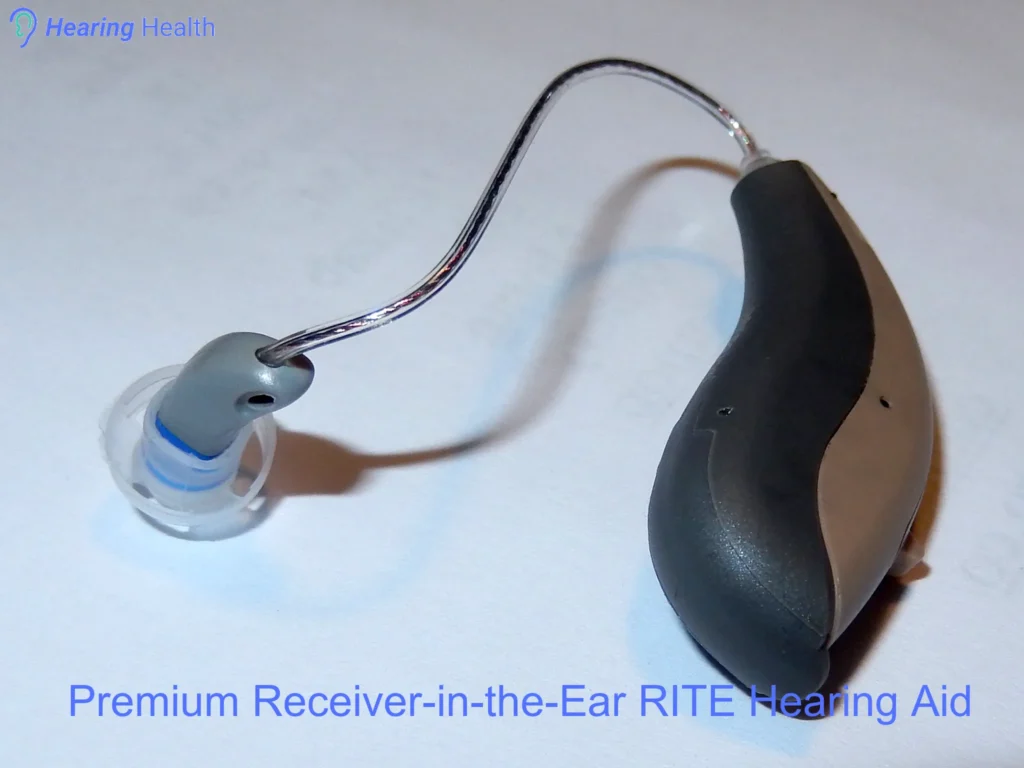
A Receiver-in-the-Canal (RIC) hearing aid shares a lot of DNA with a standard BTE. You still wear the main body of the aid behind your ear. The big difference? The speaker—or receiver—is actually moved out of the plastic case and sits right inside your ear canal.
Because the speaker is placed directly in the ear, the sound feels a lot more natural, and the whole setup looks a bit more discreet. According to recent 2021 data from the International Journal of Audiology (Jones et al.), folks wearing RIC devices tend to be really happy with how they look and sound.
That tiny receiver in a RIC aid does the heavy lifting, delivering amplified sound right where you need it. It basically eliminates a lot of the sound distortion that can happen when audio has to travel through a plastic tube. As Dr. Michael Brown, an audiology specialist, puts it: “Moving the receiver into the ear canal was a huge technological leap. It makes the device more comfortable and dramatically improves sound quality.”
What’s the Difference Between BTE and RIC?
Table: Comparing BTE and RIC Hearing Aids
| Feature | Behind-the-Ear (BTE) | Receiver-in-the-Canal (RIC) |
|---|---|---|
| Placement | Behind the ear, using a thin tube connected to the earpiece | Behind the ear, using a thin wire connected to the speaker in the ear canal |
| Receiver Location | Inside the plastic case behind the ear | Directly in the ear canal |
| Appearance | A bit more visible since all parts are in the back casing | Very discreet, mostly just a tiny wire showing |
| Feedback | Higher chance of whistling, since the mic and speaker are close together | Less whistling because the mic and speaker are separated |
| Sound Quality | Solid and reliable, though feedback sometimes gets in the way | Excellent, incredibly natural sound with less risk of whistling |
| Comfort | Easy to wear, though the case might bump against glasses or hats | Super comfortable, rarely gets tangled in your glasses |
| Best For | Almost any level of hearing loss, especially severe cases | Finding the sweet spot for mild to moderate hearing loss |
When it comes down to it, choosing between a BTE and a RIC really depends on your lifestyle, what you find comfortable, and exactly how much hearing support you need. Both styles have seen massive improvements recently, so you’re getting a highly customized piece of tech either way.
The Parts Inside a BTE Hearing Aid
Every BTE device has a few core components that make the magic happen:
1. The Microphone
- What it does: Picks up all the sound around you and turns it into electrical signals.
2. The Amplifier
- What it does: Takes those electrical signals and boosts them based entirely on your specific hearing prescription.
- “Amplifier tech has gotten so good,” notes Professor Mark Johnson, a hearing technology researcher. “We can now fine-tune BTE aids to match incredibly specific hearing loss profiles.”
3. The Receiver (Speaker)
- What it does: Shoots those amplified sounds straight into your ear.
- What’s the difference? BTE models keep this speaker in the case behind your ear, passing sound down a tube. RIC models put the speaker right in the canal itself.
- “Where you put the receiver changes everything,” Dr. Laura Evans shares. “RIC devices sound better because putting the speaker in the ear canal cuts down on distortion.”
4. The Battery
- What it does: Gives the whole thing power.
- What’s the difference? BTEs usually hold larger batteries in the case, while RICs—being smaller—often use tiny disposable ones or sleek rechargeable systems.
Are You a Candidate for BTE Hearing Aids?
Figuring out if a BTE is right for you involves a few steps with a professional. Here’s what usually happens:
- A Proper Hearing Test
- You start with a full evaluation by an audiologist. They’ll run you through pure-tone and speech tests to figure out exactly what frequencies you’re missing.
- The Chat
- They’ll want to know about your lifestyle. Do you work in a noisy office? Do you struggle mainly when watching TV? Expect a conversation about the daily hurdles you’re facing.
- Picking the Style
- You and your audiologist will look at the test results and decide together. “Picking the right style is huge,” says Dr. Michael Clarke. “BTEs are so incredibly versatile that we can customize them for almost anyone.”
- Ear Impressions and Fitting
- They physically fit the device to your ear and tweak the computer settings inside the aid to match your prescription.
- Learning the Ropes
- Your audiologist will show you how to put them in, clean them, and adjust settings. They’ll also talk about what to realistically expect during the first few weeks.
- The Follow-Up
- You won’t just walk out and never go back. You’ll have follow-up visits to check your progress and make tiny adjustments to the sound settings.
When BTEs Work (and When They Don’t)
Table: Indications and Contraindications of Behind-the-Ear (BTE) Hearing Aids
| Criteria | Why a BTE Works Great | When a BTE Might Not Work |
|---|---|---|
| Degree of Hearing Loss | Handles everything from mild to profound hearing loss. | If hearing loss is exceptionally profound, even a BTE might not be enough. |
| Age and Lifestyle | Highly durable, making it comfortable and versatile for anyone. | If you’re constantly swimming or doing heavy water sports, moisture is going to be a problem. |
| Cosmetic Concerns | Perfect if you don’t really care whether people see the device behind your ear. | If you want something completely invisible, you’ll probably hate this style. |
| Dexterity | They are larger and easier to handle, great if you have arthritis or shaky hands. | Super severe vision issues might still make changing batteries tough. |
| Feedback | Separating the mic and speaker helps manage a lot of the whistling. | If the whistling just won’t stop no matter what, you might need a different setup. |
| Ear Canal Shape | Custom earmolds mean they fit almost any ear canal. | If your ear canal is severely malformed, getting a good fit is going to be an uphill battle. |
When RICs Work (and When They Don’t)
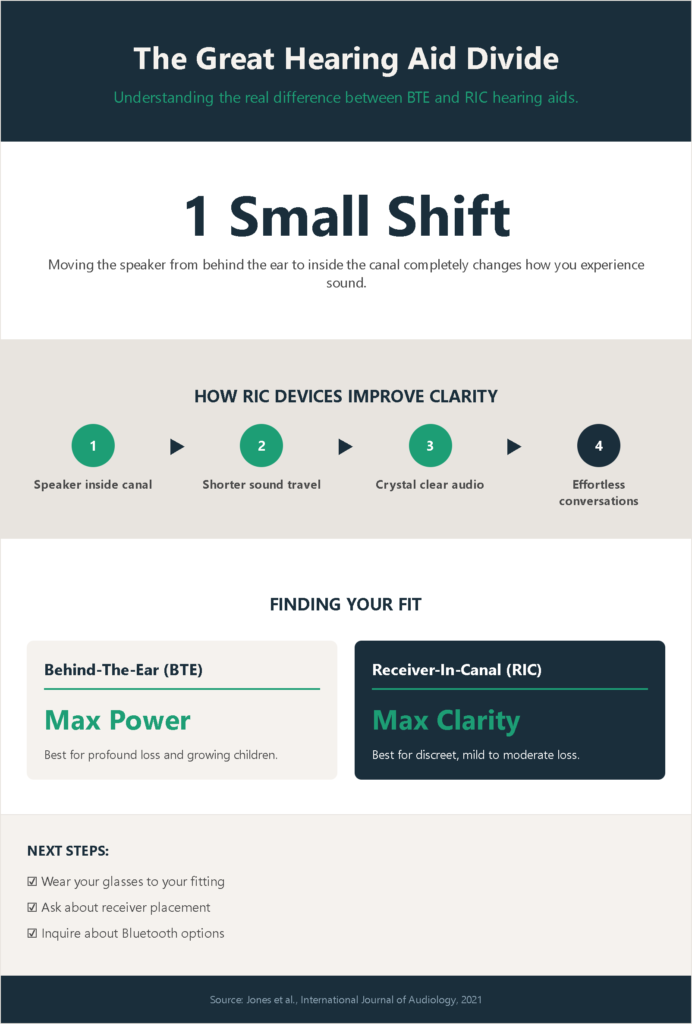
Table: Indications and Contraindications of Receiver-in-the-Canal (RIC) Hearing Aids
| Criteria | Why a RIC Works Great | When a RIC Might Not Work |
|---|---|---|
| Degree of Hearing Loss | Perfect for mild to moderate loss, giving a nice discreet boost. | Severe or profound hearing loss usually needs more power than a RIC can put out. |
| Cosmetic Preferences | Very discreet. The tiny wire makes them almost invisible. | If you want something 100% hidden, the wire might still bother you. |
| Feedback | Having the speaker deep in the canal stops a ton of feedback whistling. | Again, if whistling continues despite tweaks, you might need to rethink the style. |
| Sound Quality | Offers an incredibly crisp, natural sound experience. | Some folks just don’t like having electronics sitting directly inside their ear canal. |
| Maintenance | Generally easy to clean, provided you stay on top of the basics. | If your ears naturally produce a ton of wax, the speaker inside the canal will get clogged constantly. |
| Background Noise | They are fantastic at pulling speech out of noisy rooms. | If speech clarity is your absolute biggest hurdle, you might need to buy extra remote microphones anyway. |
Why BTEs Are a Huge Deal for Kids
Picking a hearing aid for a child is entirely different from picking one for an adult. Here’s why BTEs almost always win out for kids:
- They Have the Power
- Kids need access to every possible sound to learn language, and BTEs can handle practically any level of hearing loss.
- Kids Grow Fast
- A child’s ear changes size constantly. With a BTE, the expensive electronics stay safely behind the ear, and you just replace the cheap custom plastic earmold every few months as they grow. Professor Sarah Baker highlights this: “Being able to adapt the device as a child’s ear anatomy changes is the only way to guarantee they get continuous, effective hearing support.”
- They Don’t Break Easily
- Kids play hard. BTEs sit securely behind the ear and are notoriously tough, so they survive the playground nicely.
- Little Fingers Can Work Them
- Since they are larger, kids developing their motor skills can easily learn to put them on and work the controls themselves.
- Stopping the Squeal
- Because kids have tiny ear canals, feedback (whistling) is a constant headache. BTEs naturally separate the mic and speaker, putting an end to most of the squealing.
- Fun Colors
- Kids are happier to wear hearing aids when they look cool. BTEs come in bright colors, sparkles, and even superhero themes. As Professor Olivia Clark puts it, “Addressing how these devices look is massive. When a kid can customize their hearing aid, they’re much more likely to actually accept it.”
Wearing and Managing Your Devices
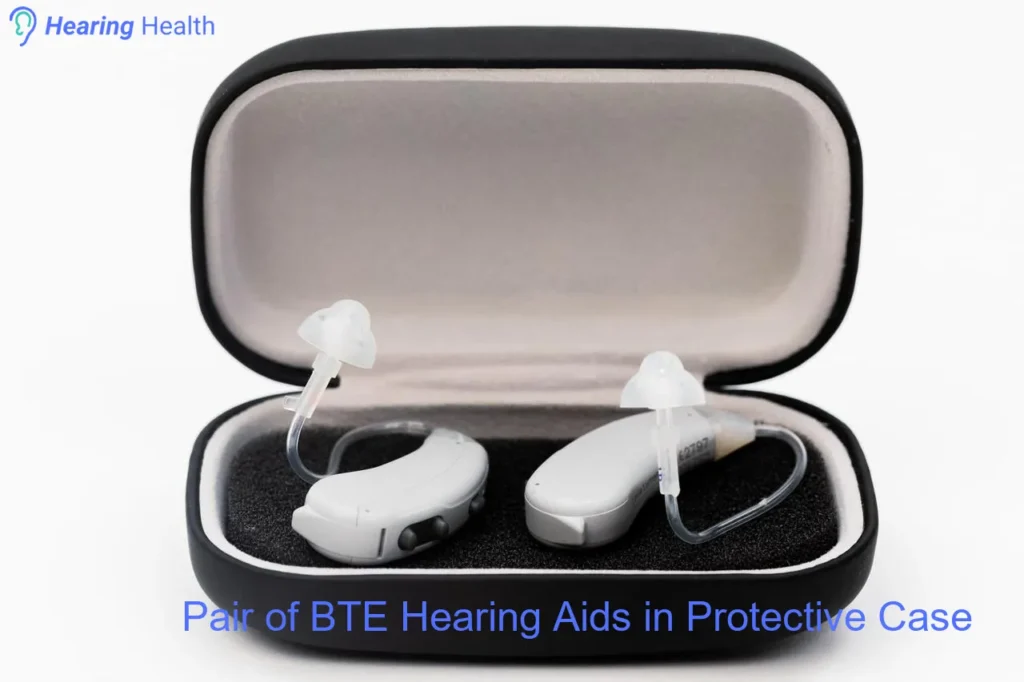
Working your hearing aids shouldn’t feel like a chore. Here’s the rundown on daily use.
- Putting Them In
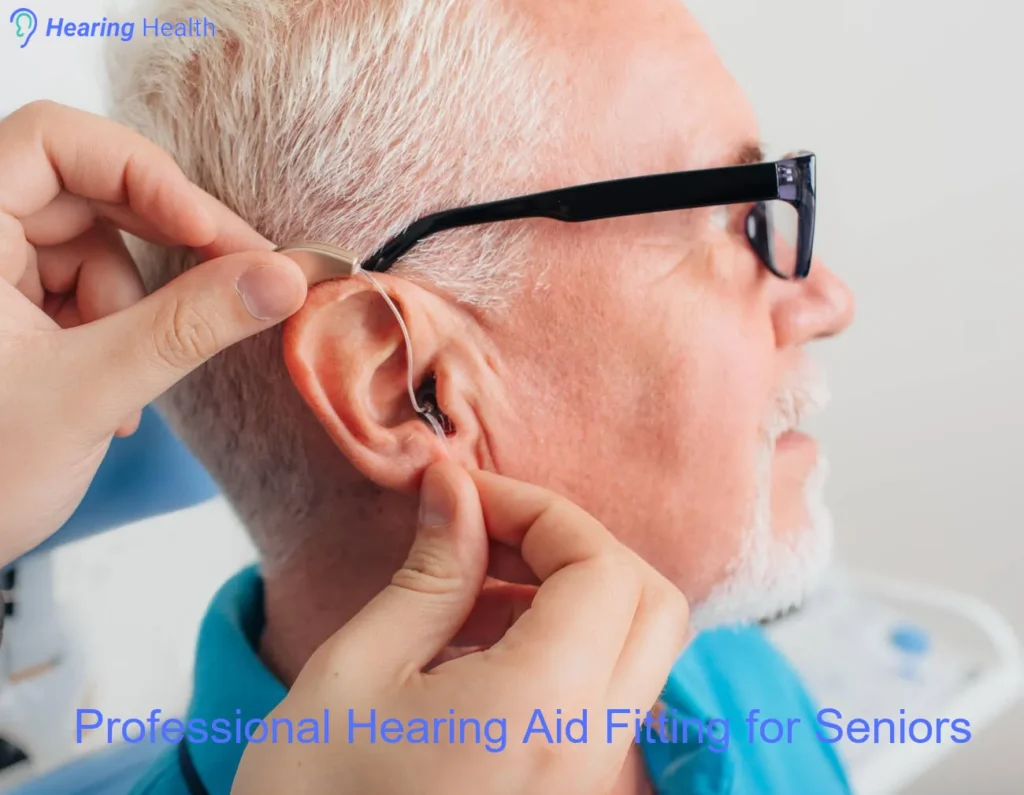
- BTE: Hook the main device behind your ear, let the tube drape over the front, and gently push the customized mold into your canal.
- RIC: Hook the body behind your ear and gently slide the little dome on the end of the wire straight into your ear canal.
- Turning Them On
- BTE: Many use a small switch or button. Others simply turn on the second you close the battery door.
- RIC: Most turn on automatically when you snap the battery door shut, though some newer rechargeable models have a push-button on the back.
- Changing the Volume
- BTE: Use the little rocker switch on the back of the device. Go slow until things sound comfortable. Your audiologist will show you the ropes.
- RIC: Same deal—use the buttons on the actual device, or, increasingly, just use a remote control app on your phone.
- Keeping Them Clean
- No matter the style, you need to wipe them down with a dry cloth every single night. Look for earwax on the part that goes into your ear and brush it away gently so things don’t get clogged.
- Dealing with Batteries
- Open the tiny door, pop the old battery out, and put the new one in (make sure the flat plus side is facing up). If you have rechargeable aids, you just drop them into their charging dock at bedtime.
Why Your Earmold Matters
If you’re wearing a BTE, the plastic piece that goes inside your ear—the earmold—is incredibly important for a few reasons:
- It’s Custom Fit
- It’s literally molded to the exact shape of your ear canal, making it snug, comfortable, and ensuring it doesn’t fall out when you run.
- It Corrals the Sound
- It forces all that amplified sound directly toward your eardrum without letting it leak back out.
- It Blocks Ambient Noise
- A good mold acts like an earplug, blocking out random background noise so the hearing aid can do its job.
- It Fights Moisture
- Earmolds are usually made of materials that repel sweat and humidity, protecting the expensive electronics upstairs.
- It Kills the Whistle
- The biggest job of an earmold is sealing the ear canal tightly so sound can’t escape and cause feedback whistling. Dr. Daniel White notes, “A well-sealed ear canal is the absolute foundation for stopping feedback and keeping the listener comfortable.”
Can You Wear Glasses with BTEs?
Absolutely. It takes a little maneuvering, but it’s totally achievable:
- Pick the Right Frames
- If you can, choose glasses with thin wire arms. It leaves more real estate behind your ear for the hearing aid.
- Layering
- Put your BTE on first. Then, carefully slide your glasses on so the arm rests comfortably on the outside of the hearing aid.
- Custom Molds Help
- Your audiologist can shape your earmold so it specifically accommodates the angle of your reading glasses.
- Open-Fit Flexibility
- If you wear an open-fit BTE, the ultra-thin tube rarely gets in the way of eyeglass arms.
- Watch for Pinching
- If the back of your ear gets sore, tell your audiologist. They can usually shift things around to stop the pinching.
The Good and the Bad
Behind-the-Ear (BTE) Hearing Aids:
| The Good | The Bad |
|---|---|
| 1. Super powerful and intensely versatile. 2. Tough as nails and last a long time. 3. Larger, making them easier to handle cleaning and batteries. 4. Easily hook up to Bluetooth and external accessories. | 1. They are pretty visible from the side. 2. The microphones rest outside the ear, so wind noise on a breezy day can get loud. 3. A tight earmold can sometimes make your voice sound “boomy” in your own head (the occlusion effect). |
Receiver-in-the-Canal (RIC) Hearing Aids:
| The Good | The Bad |
|---|---|
| 1. Extremely discreet and aesthetically pleasing. 2. Provide a brilliantly natural sound quality. 3. Separate mic and speaker means almost no whistling. 4. Excellent at making speech pop in crowded rooms. | 1. The speaker sits in your ear canal, so earwax and sweat can destroy it if you don’t clean it. 2. Smaller devices mean smaller batteries, which die faster. 3. Simply not powerful enough if your hearing loss is severe. |
Getting Connected
Today’s hearing aids are basically tiny, brilliant computers. Here’s how you can hook them up:
- Bluetooth
- You can connect modern BTEs directly to your iPhone or Android. You can stream Spotify, listen to podcasts, and take phone calls completely hands-free, right through your hearing aids.
- The Telecoil (T-Coil)
- It’s older tech, but incredibly useful. A telecoil taps directly into the sound systems installed at movie theaters, lecture halls, and churches, beaming the audio securely into your ear while cutting out background chatter.
- Wireless Extras
- You can buy remote microphones to clip onto your spouse’s shirt in a loud restaurant, or grab a TV streamer that sends the evening news directly to your hearing aids.
- Smartphone Apps
- Almost every brand has an app. You can use your phone to secretly adjust the volume, tweak the treble, or even use GPS to have the hearing aids automatically switch to “restaurant mode” the second you walk into your favorite diner.
Maintaining Your Investment
- Keep Them Dry
- “Water is the enemy of hearing aids,” warns Dr. Sarah Turner. Take them out before you shower, avoid wearing them in a torrential downpour, and consider buying a cheap electronic dehumidifier to drop them into overnight.
- Parts Wear Out
- Expect to replace tubes, little rubber domes, and batteries regularly. It’s just part of the deal.
- Daily Brushing
- If you don’t clean the earwax off the speaker every night, it will block the sound. “Brushing the devices nightly is non-negotiable,” says Dr. Jessica Adams. “Routine cleaning is the only way to keep them running.”
BTEs vs. Bone Conduction Implants
Sometimes a traditional hearing aid isn’t the fix. Here is how BTEs stack up against surgical bone conduction implants:
| Aspect | Behind-the-Ear (BTE) | Bone Conduction Implants |
|---|---|---|
| Placement | Sits completely outside, resting on your ear. | Usually anchored to your skull via a minor surgery. |
| How Sound Travels | Pushes amplified air down into your ear canal to hit your eardrum. | Vibrates your skull bones, completely bypassing the ear canal and eardrum to stimulate the inner ear directly. |
| Who It’s For | Works beautifully for standard sensorineural hearing loss. | Highly specific; meant for people with chronic middle ear infections, malformed ear canals, or single-sided deafness. |
| Surgery Needed? | None. Try them on and walk out the door. | Yes, a surgical procedure is required to place the anchor. |
BTEs vs. Internal “Invisible” Styles
Curious about those tiny hearing aids that hide completely inside your ear? Here is the comparison:
| Aspect | Behind-the-Ear (BTE) | In-the-Ear Styles (CIC, IIC, ITE) |
|---|---|---|
| Visibility | Definitely noticeable resting behind the ear. | Practically invisible; they sit deep inside the canal. |
| Power Levels | Massive power. Can handle the worst hearing loss. | Limited power. Usually only good for mild to moderate loss. |
| Feedback | Separating components stops the whistling. | Squeezing a mic and a speaker into a tiny plastic shell often results in terrible feedback issues. |
| Features | Room for large batteries, Bluetooth, and Telecoil arrays. | Simply too small. You often sacrifice Bluetooth and longer battery life just to get the device out of sight. |
| Handling | Big enough for older, arthritic fingers to easily manage. | So tiny that cleaning them and changing microscopic batteries can be a nightmare. |
Let’s Talk Costs
Hearing aids aren’t cheap, and the final price tag depends heavily on the technology tier you buy. Expect to pay anywhere from a few hundred dollars for over-the-counter options to several thousand for premium, audiologist-fitted tech.
A 2022 survey by the Hearing Loss Association of America found the average cost of a single hearing aid hovers around $2,300, meaning a pair generally runs about $4,600.
“The price tag reflects some truly wild advancements in microscopic tech, but it’s vital to sit down and be honest about your actual budget,” says auditory economics analyst Dr. Katherine Adams.
Can You Bring the Cost Down?
- Start by skipping the premium features. If you don’t care about Bluetooth or smartphone apps, buy a baseline model. The core sound amplification tech is usually identical.
What About Insurance?
- Sadly, traditional Medicare still does not cover hearing aids.
- However, if you are a veteran, the VA healthcare system provides incredible, comprehensive hearing aid benefits.
- Many private insurers (like UnitedHealthcare and Aetna) are finally starting to offer hearing aid stipends or partial coverage, so call your representative and ask perfectly blunt questions about your plan.
A Quick Look at Popular Models
| Target Audience | Adults | Children |
|---|---|---|
| Brand | MDHearing | Lexie |
| Model | MDHearingAid VOLT | Lexie Lumen |
| Why People Like Them | Highly advanced noise reduction, solid feedback cancellation, and fully rechargeable so you don’t buy batteries. | A self-fitting over-the-counter option, fully Bluetooth-enabled, letting users completely control settings via a smartphone app. |

Frequently Asked Questions